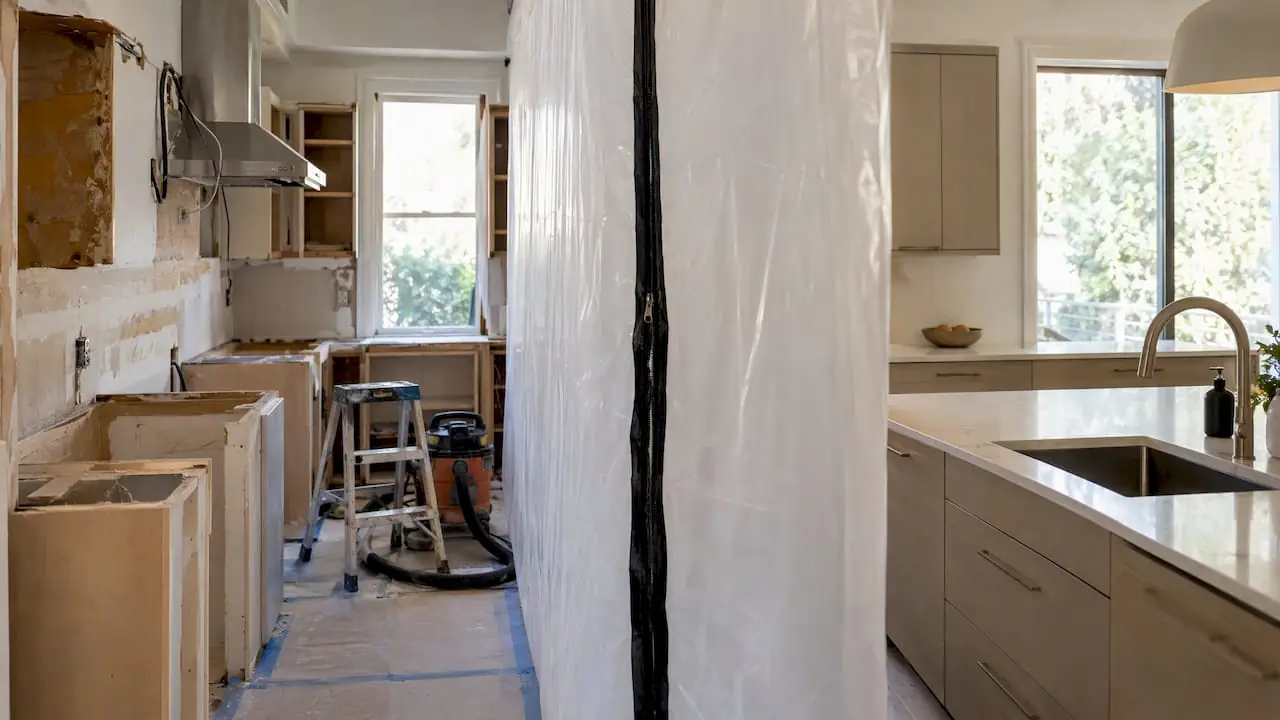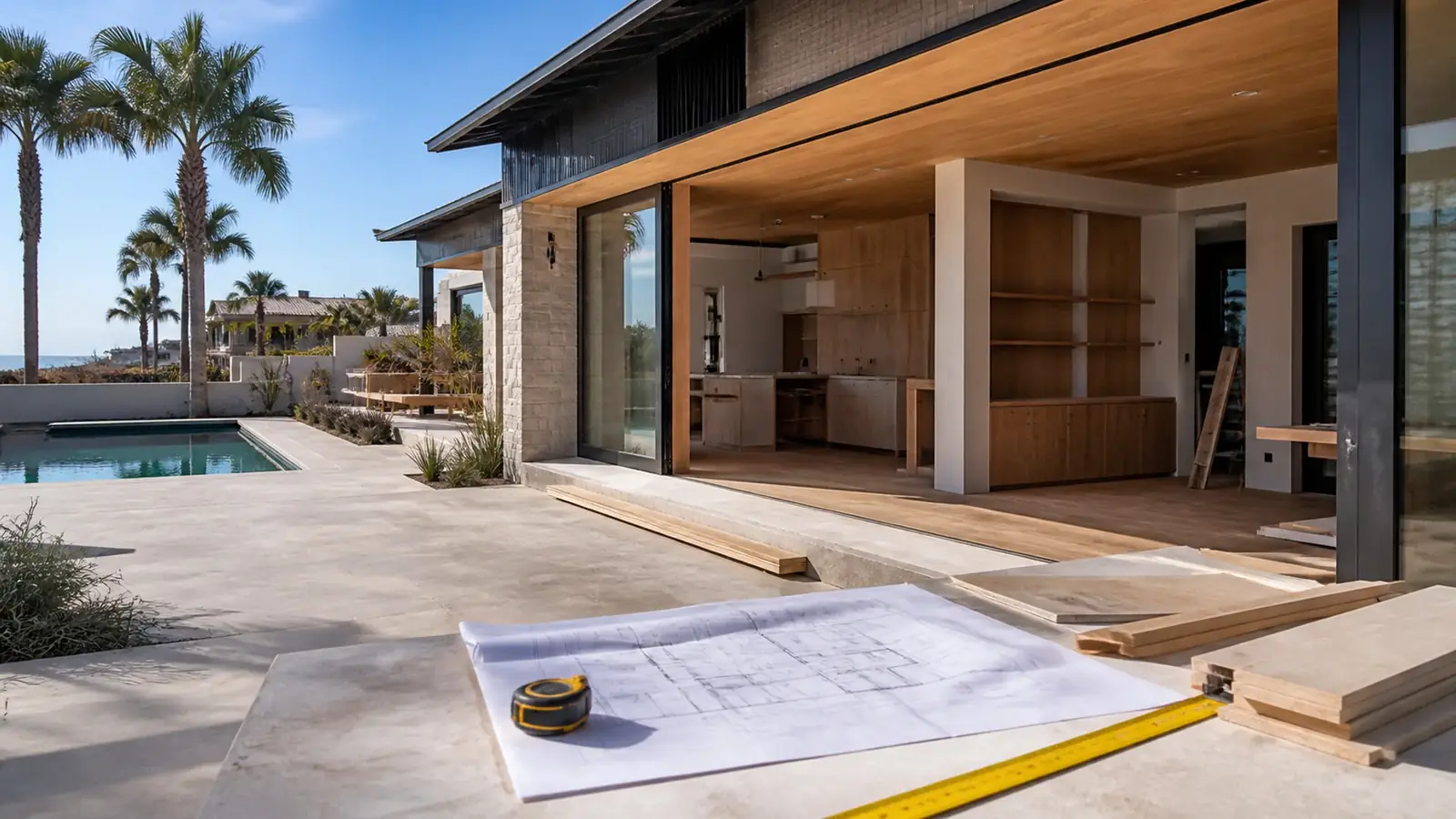
Hiring a general contractor in Huntington Beach makes sense when a project involves more than one trade, a structural change or a permit, which describes most work on the city's 1960s and 1970s homes. A single licensed contractor coordinates the engineers, the subcontractors, the inspections and the schedule, so you are not the one deciding whether the plumber or the framer goes first. Mr Build has worked as a design-build general contractor since 1984 and holds California license #439166.
Huntington Beach adds a few layers other cities do not: soils that can settle, salt air that corrodes structure, coastal and flood reviews near the water, and HOA rules in many neighborhoods. Coordinating those is part of the job.
Projects that call for a general contractor in Huntington Beach
- Foundation and settlement repairs. Cracked or sloping slabs on soft ground need geotechnical and structural input, then careful repair and finish work.
- Corrosion and water-damage repairs. Rusted structural connectors, failed window flashing and rotted framing in homes near the ocean.
- Multi-room remodels. A kitchen, two bathrooms, flooring and a panel upgrade done together.
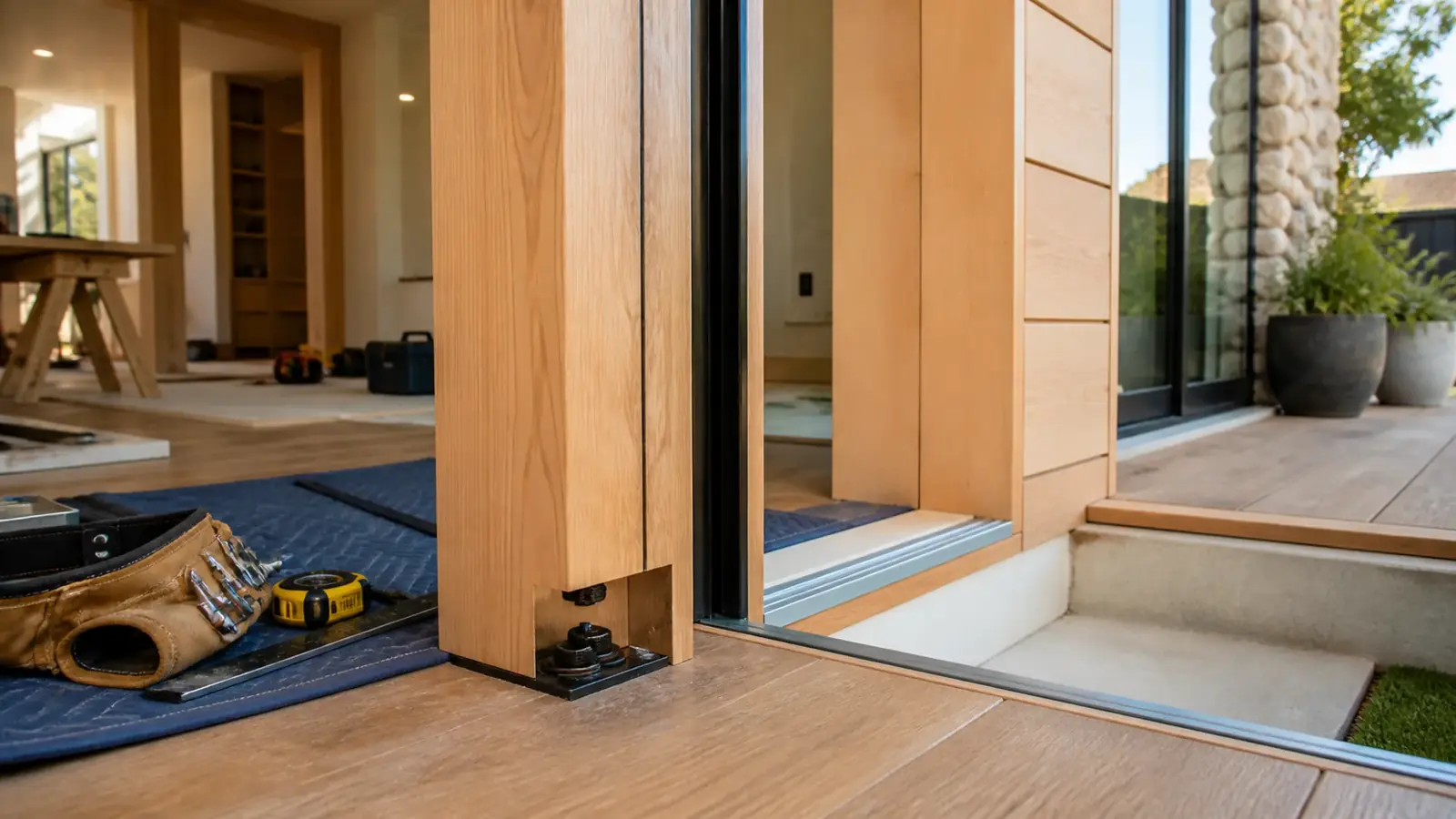
- Structural changes. Removing bearing walls, adding beams, enlarging openings for wider patio doors.
- Additions and ADUs. New space that must tie into the existing structure and utilities.
- System replacement. Repiping, rewiring homes with aluminum branch circuits, and new HVAC.
The mix changes by neighborhood. In the 1960s and 1970s tracts, the typical scope combines interior remodeling with long-overdue system work: an undersized panel, aluminum branch wiring in some homes, original plumbing and single-pane aluminum windows. In Huntington Harbour, more of the work involves corrosion repairs, water intrusion at doors and windows facing the channel, and logistics such as limited parking and HOA work hours. Near downtown, narrow lots and close neighbors make staging, dust control and delivery timing a bigger part of running the job. A general contractor plans for each of these before the first crew arrives, instead of solving them one at a time as they come up.
The trades we coordinate, and when they show up
A typical multi-room project in a Huntington Beach tract home runs in this order:
| Phase | Trades on site | City inspection |
|---|---|---|
| Demolition and abatement | Licensed abatement contractor, demolition crew | None, but air district notification if asbestos is present |
| Foundation and structure | Concrete, framing, steel | Footings, framing and hardware |
| Rough-in | Plumbing, electrical, HVAC, low voltage | Rough plumbing, electrical and mechanical |
| Envelope | Windows, roofing, flashing, insulation | Insulation and energy items |
| Interior finishes | Drywall, tile, cabinets, flooring, paint | Shower pans where applicable |
| Close-out | Fixtures, appliances, punch list | Final inspection |
When an inspection is scheduled, the work has to be ready and the right people on site. A missed inspection can cost days, and that is what a good general contractor prevents. Our guide to the final inspection on a remodel explains the last step.
Coordinating city, coastal, flood and HOA reviews
Permits for most work are issued by the City of Huntington Beach, through its planning and building and safety staff, and we pull them in our name as the licensed contractor of record. Depending on the project and the lot, more reviews can apply:
- Coastal zone. Exterior changes, additions and new construction on coastal-zone parcels may need a Coastal Development Permit.
- Flood zones. Larger projects on Harbour and lowland lots are checked against the substantial improvement rule, which can require the whole house to meet current flood standards.
- Liquefaction zones. Foundation work and additions may require a geotechnical report.
- HOAs. Harbour and planned communities often review exterior work and set rules on work hours and parking.
Sequencing these reviews correctly avoids the most common delay: finishing one approval only to find another was needed first. The Contractors State License Board lets you verify any contractor's license and insurance status before you sign.
How we protect you as the owner
On a multi-trade job, paperwork protects your money. We work from a fixed, detailed written scope, tie payments to completed stages of work, document any change in a written change order before the work is done, and collect lien releases from subcontractors and suppliers as they are paid. If a hidden condition appears, such as rot behind a window, we photograph it, explain the options and price them before proceeding. Our article on communicating with your contractor covers how to keep decisions clear during the job, and our guide to change orders explains how scope changes are handled.
Cost drivers and timeline factors
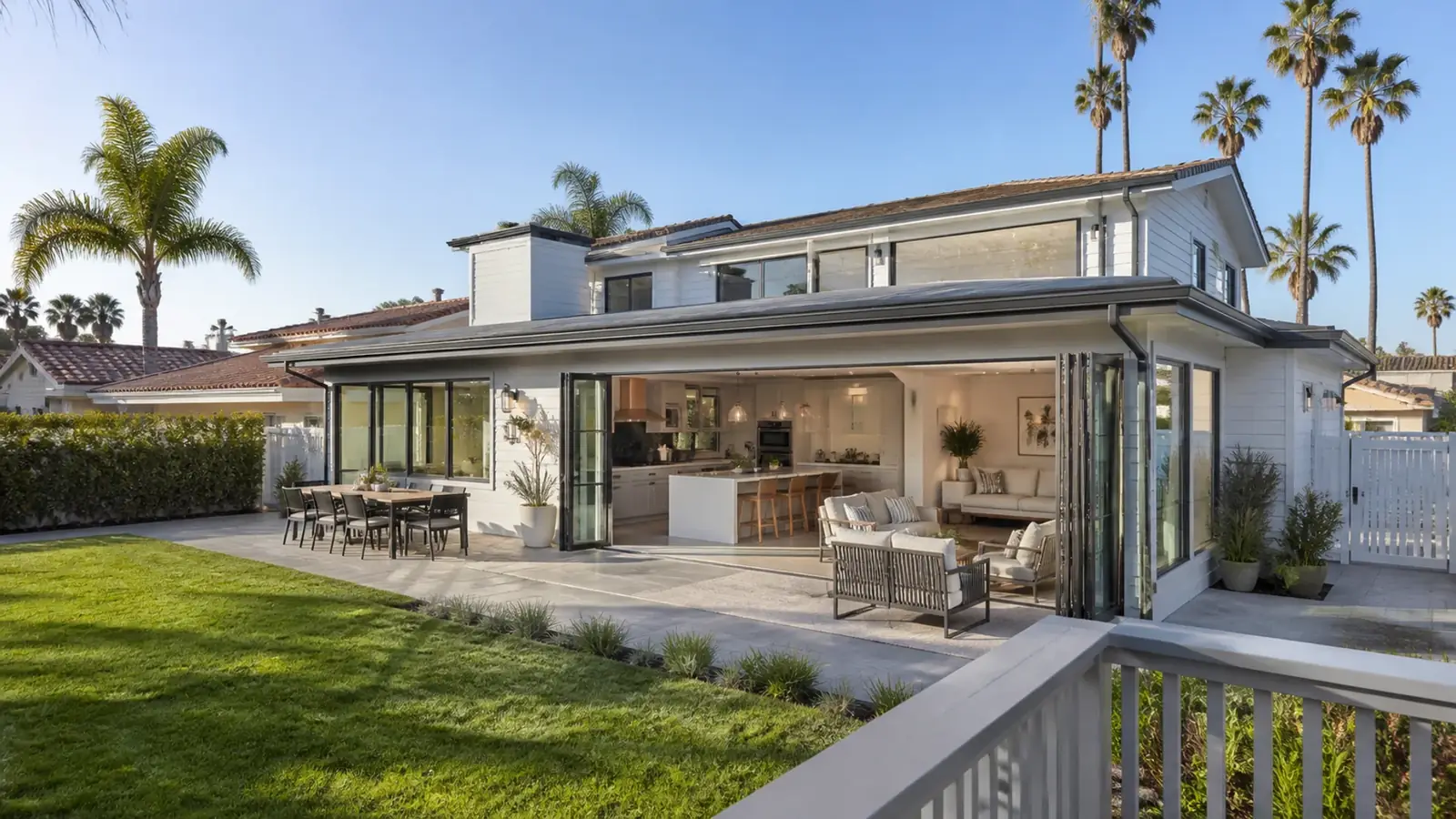
On general contracting work, price follows complexity more than size. Structural changes, foundation repairs, corrosion damage, the number of trades involved, system upgrades and whether you stay in the house all move the number. Coastal-grade materials near the water add cost but avoid repeat repairs. Hidden conditions are the main unknown in older homes, so we flag the likely ones, such as rusted connectors or soft subfloor near a leaking door, before the contract is signed.
The schedule depends on engineering and reviews first, then on the chain of trades and inspections. Projects that need coastal review or a geotechnical report take longer to start. Long-lead items such as windows and cabinets are ordered as soon as plans are approved so crews do not wait.
How Mr Build runs your project
You get one project manager for the whole job, and our in-house team and partners prepare the design, architectural plans, engineering and permit package. The work runs from consultation through design and permits, selections and construction to a final walkthrough with you. For whole-house work, see complete remodeling; for added square footage, see our room addition contractor in Huntington Beach page.