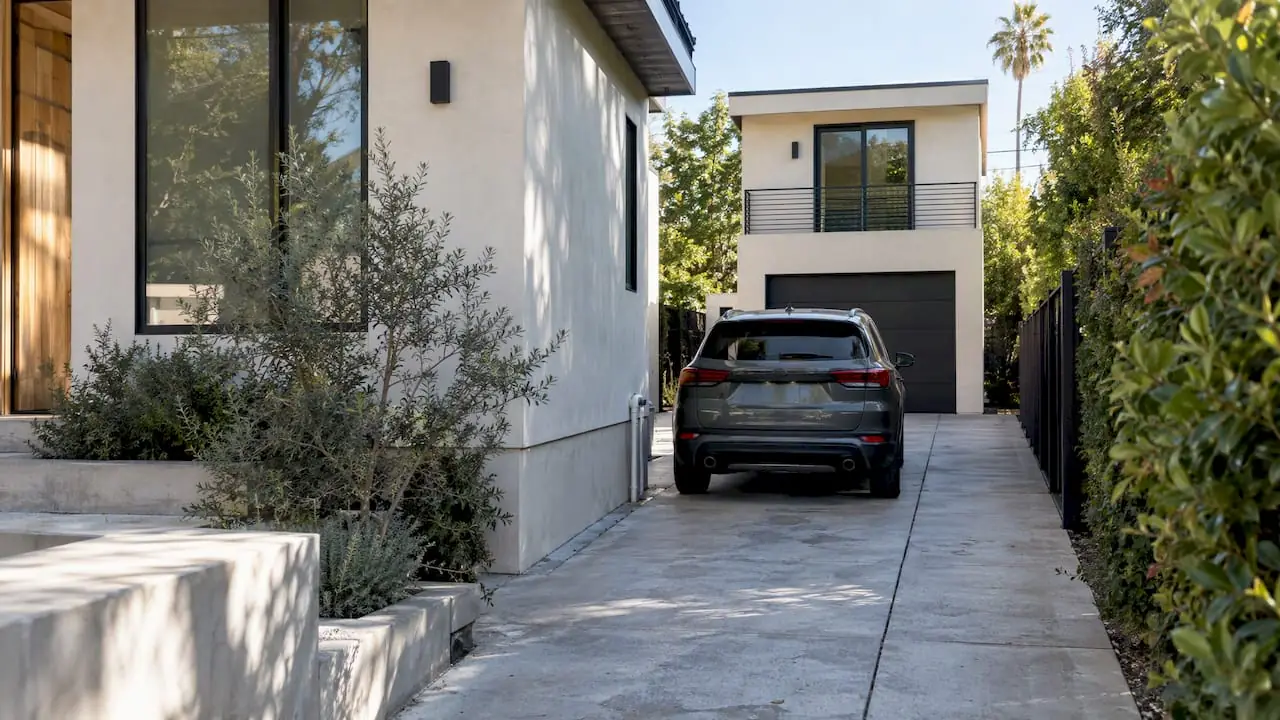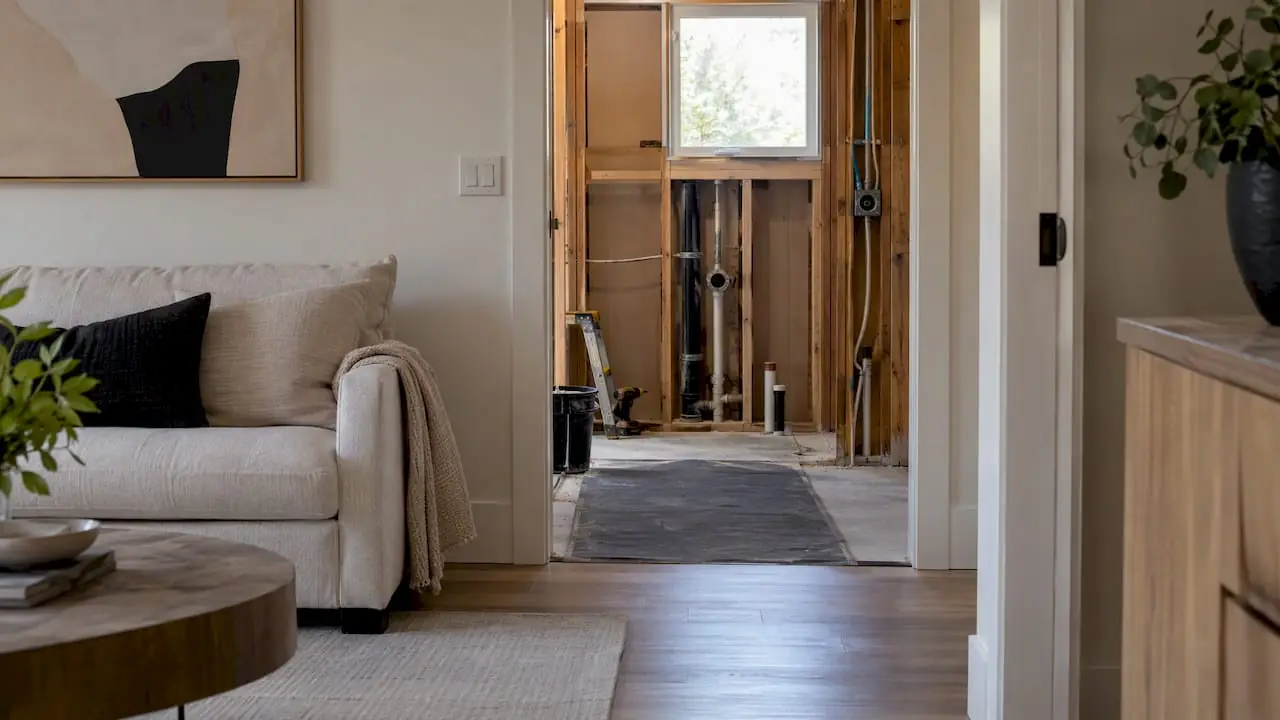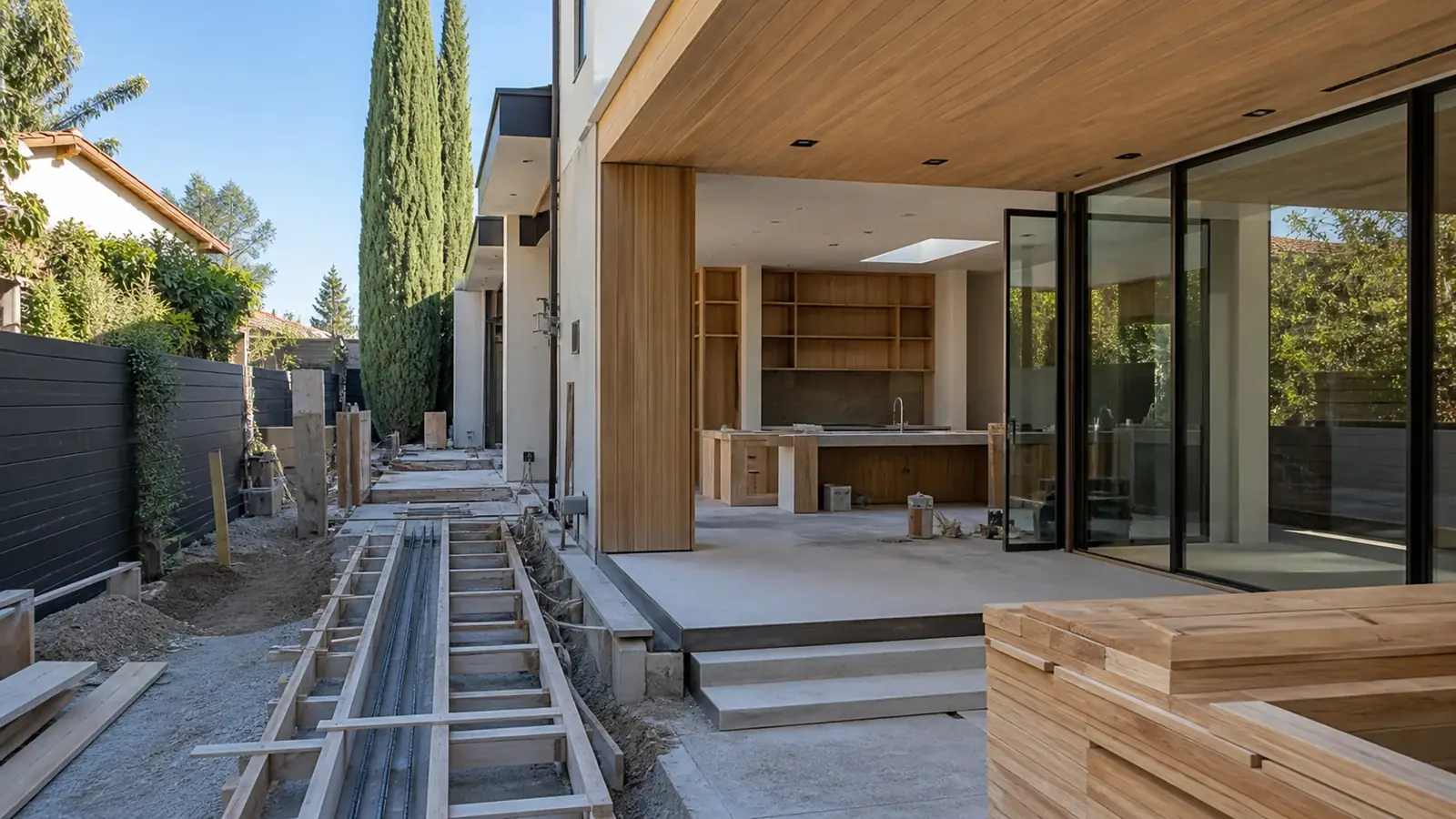
A general contractor in West Hollywood spends a good part of each project managing things outside the unit being remodeled. The HOA wants an alteration package. The building manager wants elevator bookings and insurance certificates. Tenants next door need notice before the water is shut off. The city wants inspections in the right order. Meanwhile, the actual work still has to be done well and on schedule.
Mr Build Co. has worked as a licensed general contractor since 1984, under California license #439166. We run remodels, structural projects, additions and new construction with a dedicated project manager and fixed, written pricing.
What hiring a general contractor in West Hollywood means
A GC holds the permit, hires and schedules each trade, manages inspections and is responsible for the result. On a typical West Hollywood project, that includes:
- A written scope that turns drawings into a list of work every trade follows.
- HOA and building management submittals, where needed.
- City permits and keeping approved plans on site.
- Sequencing demolition, framing, plumbing, electrical, HVAC, drywall, tile and finishes.
- Coordinating shutoffs and access with neighbors and building staff.
- Inspections, corrections and final sign-off.
- A punch list and closeout. Our guide to the construction punch list explains that last stage.
Communication matters as much as craft in a dense building. Our article on communicating with your contractor covers how to set expectations from the start.
Working in occupied and multi-unit buildings
West Hollywood's housing stock is layered. Spanish courtyard buildings and Craftsman or Spanish bungalows from the 1920s and 1930s sit next to stucco apartment buildings from the 1960s and 1970s and newer concrete condo buildings. Each brings different surprises: plaster and old pipe in the oldest buildings, soft-story framing and aluminum windows in the middle group, and strict rules about the slab and shared systems in the newest.
Many West Hollywood owners live in one unit of a duplex, fourplex or courtyard building and rent the others. Work here is different from a single-family house:
- Shared plumbing, gas and electrical mean shutoffs affect other units and need advance notice.
- Fire separation between units must be kept intact or restored when walls are opened.
- Dust, noise and debris have to be controlled in shared hallways, stairs and yards.
- Much of the city's older rental housing is under rent stabilization, and work that affects tenants can carry added obligations. Confirm yours with the city before scheduling.
Condo projects: the HOA and building manager
Condo remodels need approval from the association before city permits are of much use. A typical HOA package includes drawings, a scope description, the contractor's license and insurance, a waterproofing specification for wet areas, flooring sound ratings and a schedule within building work hours. Larger buildings add elevator padding, loading dock reservations and parking for crews.
The GC is also the person who deals with surprises in shared systems. If a corroded drain line behind your wall turns out to serve the unit above, the HOA's responsibility and yours have to be sorted out before the repair, and the governing documents usually decide that.
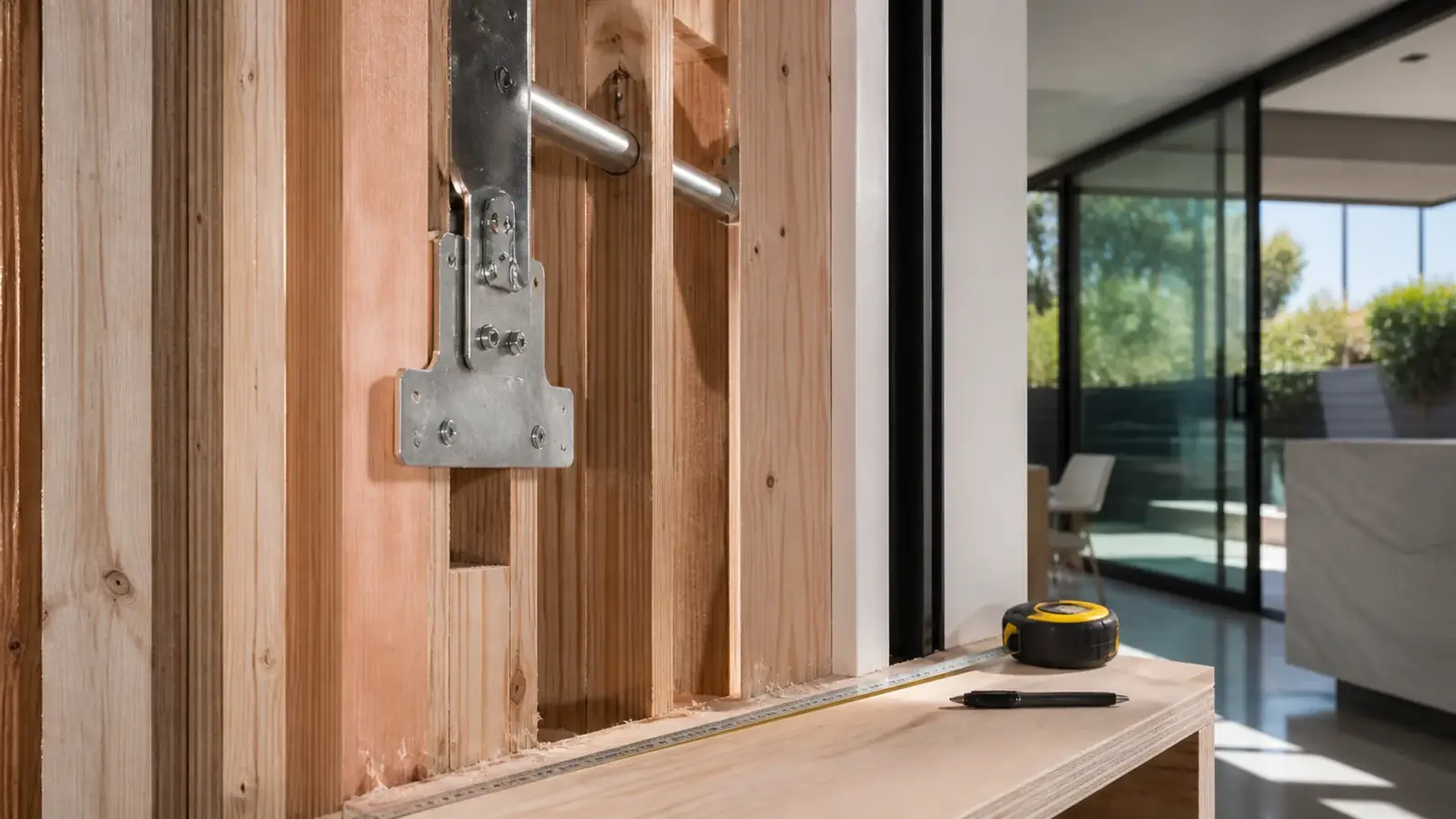
Structural work: soft stories, beams and foundations
West Hollywood has many 1950s to 1970s wood-frame apartment and condo buildings with parking under living space, the soft-story condition. The city's mandatory soft-story retrofit program requires qualifying buildings to be strengthened, usually with steel frames, new footings and plywood shear walls at the parking level. An engineer designs it, and a contractor builds it while keeping parking and access working as much as possible.
In houses, structural work is more often a beam to open a kitchen, a new foundation under an older bungalow or framing for a second story. Our page on room additions in West Hollywood covers that work in detail.

Permits and inspections with West Hollywood
West Hollywood runs its own Community Development Department. Building and Safety reviews plans and inspects the work, and the Planning Division handles zoning, design review and historic preservation. Exterior changes to designated cultural resources or properties in historic districts may need Historic Preservation Commission review. Work in the street, such as a dumpster or sewer connection, may need separate encroachment approval. Because some nearby addresses are in the City of Los Angeles, we confirm jurisdiction first. You can check the city's current requirements on weho.org.
Cost drivers and timeline factors
What moves the cost
- The amount of structural work and engineering.
- Number of trades and how much their work overlaps.
- Conditions behind walls in older buildings.
- HOA requirements such as sound-rated floors and building protection.
- Logistics: elevators, stairs, parking and narrow side yards.
- Finish level and custom items.
Our comparison of cost-plus and fixed-price contracts explains why we use fixed written pricing.
What sets the schedule
HOA approval, city plan check, inspection scheduling, lead times for cabinets and windows, and the work hours allowed by both the city and the building all shape the calendar. In multi-unit buildings, coordinating shutoffs and access with other residents adds planning time. Final selections made before demolition are the most reliable way to keep a job moving.
Checking a contractor, and what Mr Build handles
Any contractor you hire should hold an active California license you can verify on the Contractors State License Board site, and carry insurance your HOA will accept. We provide design, plans and engineering through our partners, permits, all trades, inspections and closeout. If your project touches most of the home, our page on whole-home remodeling in West Hollywood explains how we plan and phase it. Every project follows five steps: consultation, design and permits, selections, construction and final walkthrough.