

How to Communicate With Your Contractor During a Remodel
Good contractor communication is a system, not a personality match: one contact on each side, a set meeting, written summaries and signed change orders. Here is how to set it up.
Mr Build Co. Blog
Contracts, change orders, lien waivers, budgets, energy code, inspections and how to run a smooth remodel or custom build.
Good contractor communication is a system, not a personality match: one contact on each side, a set meeting, written summaries and signed change orders. Here is how to set it up.
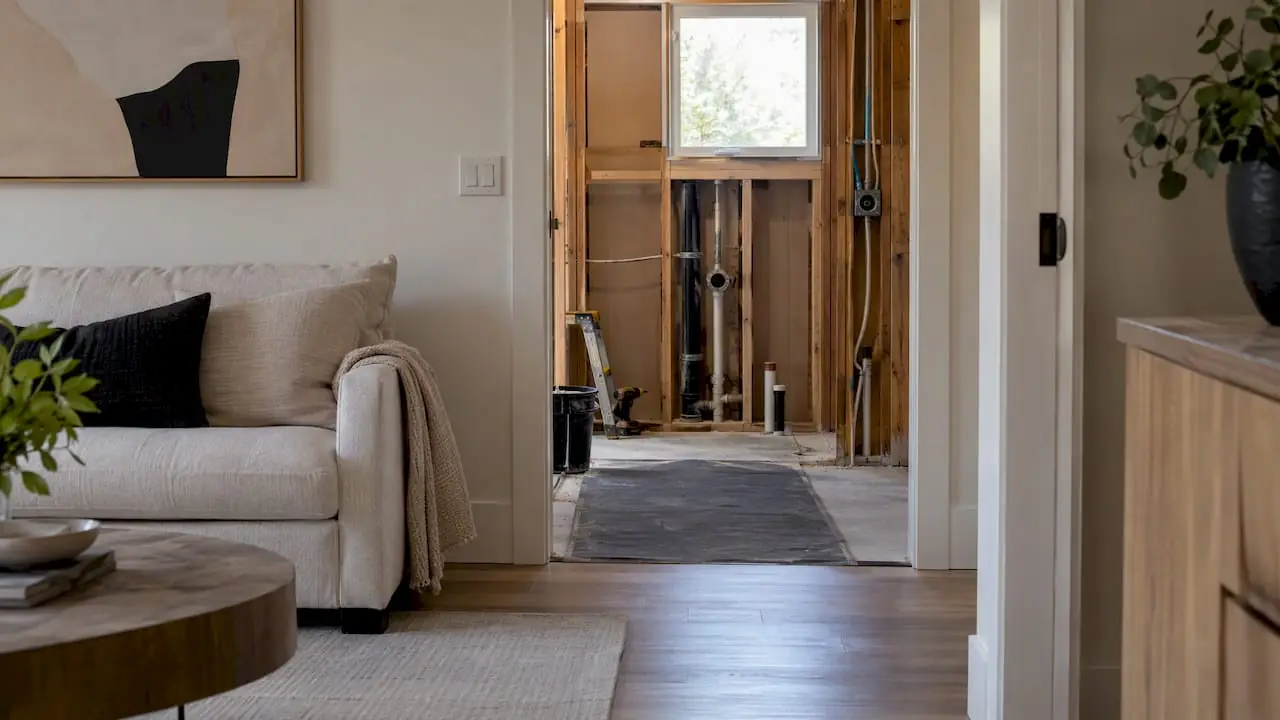
Remodeling in stages works when one master plan drives every phase and systems go in before finishes. Here is how to sequence the work and live through it.

Permitted construction in Beverly Hills generally runs weekdays from 8 a.m. to 6 p.m., with no work on Sundays or city holidays. Here is what that means for your project schedule.
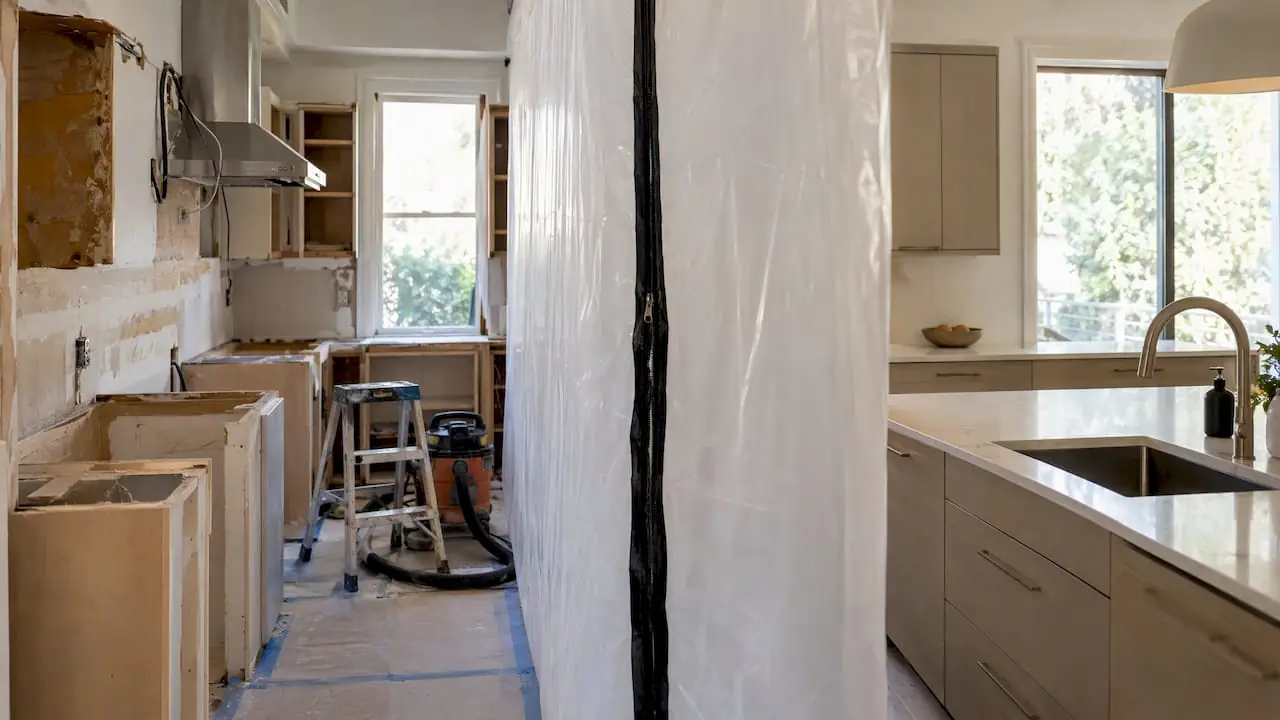
Many families can stay home during a remodel if the work is contained and a kitchen and bathroom stay usable. Here is how to decide, what to require from your contractor and when to move out.

California's energy code requires solar panels on most newly built homes, including many detached ADUs. Most remodels and additions do not trigger it. Here is how to tell which side your project falls on.

The big federal energy credits ended after 2025. What remains for California remodels is a mix of rebates, property tax exclusions and record-keeping that pays off when you sell.
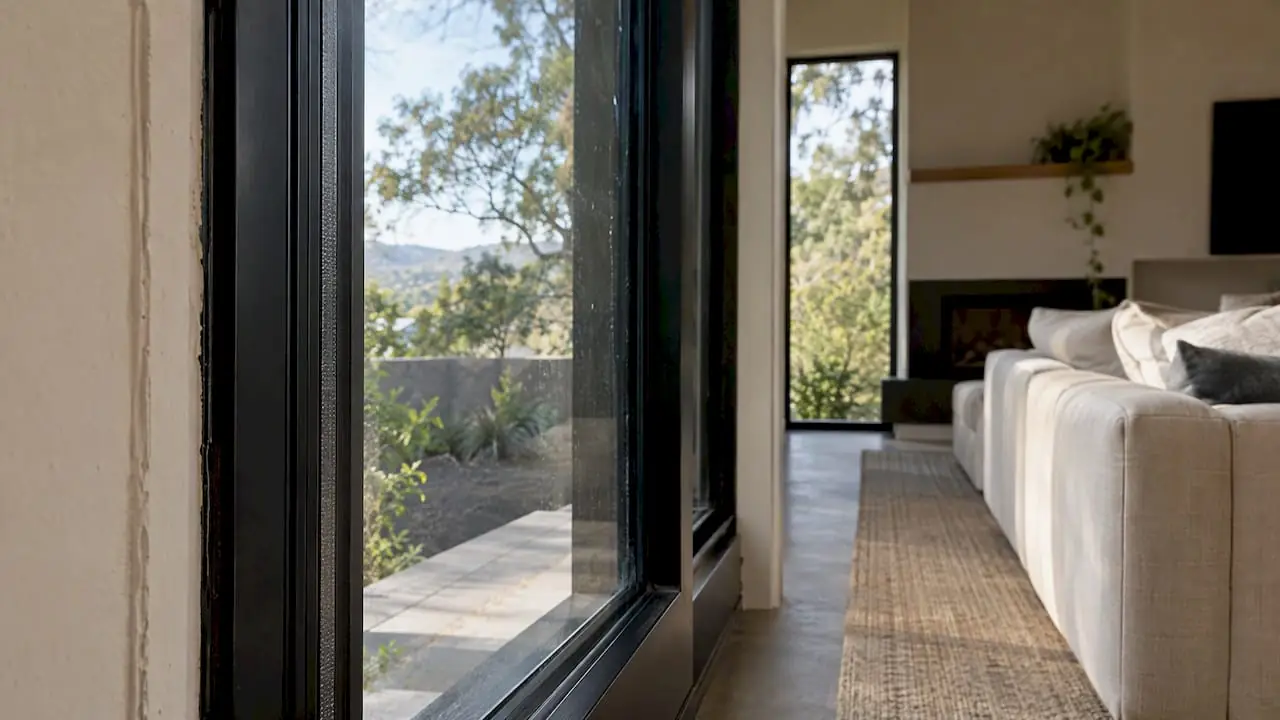
In mild Southern California climates, a good low-e double-pane window is usually enough. Triple-pane earns its cost mainly for noise, comfort in certain rooms and high-performance homes.
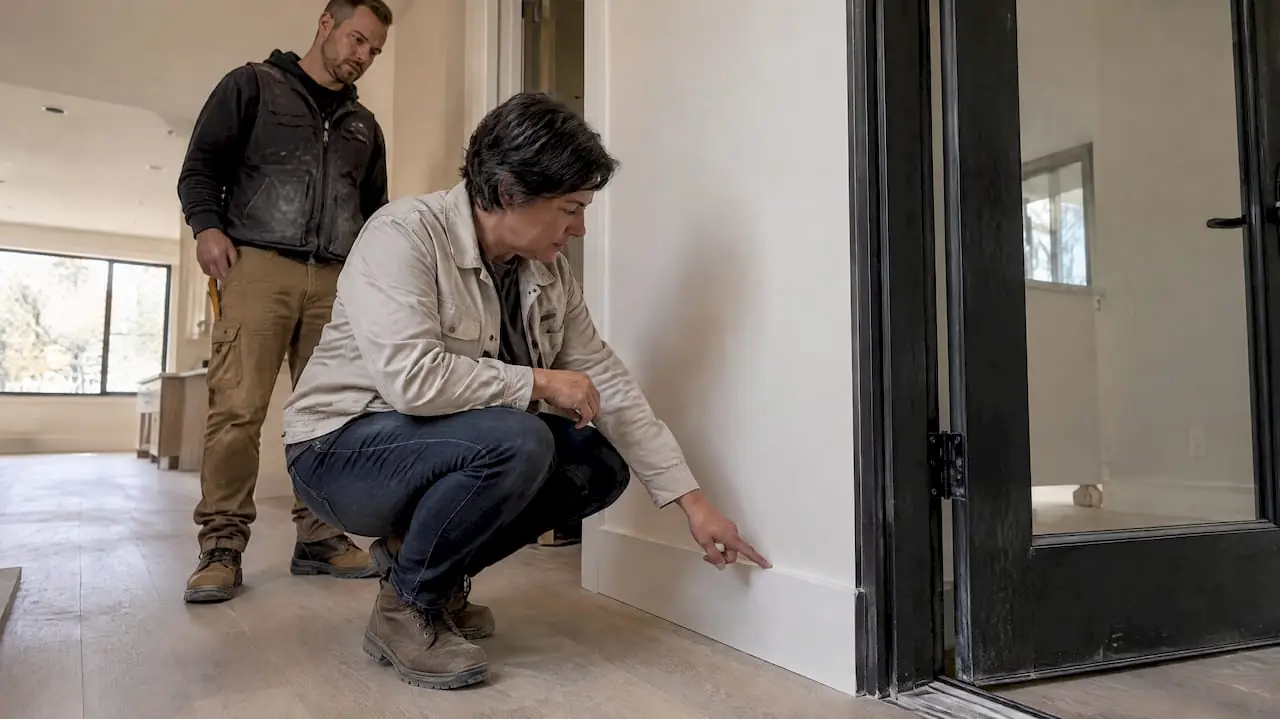
The final inspection confirms your remodel matches the approved plans and closes the permit. Here is what gets checked, what must be done first, and how to avoid a second visit.
A fixed-price contract gives you one number up front; cost-plus shows you every dollar but leaves the total open. Here is how each one works and how to pick for your project.
A renovation budget works when every dollar has a category, every undecided item has an allowance and a contingency sits on top. Here is how to build one and keep it honest.

California uses four statutory lien waiver forms. Here is what each one does, when conditional or unconditional is right, and how to collect them at every payment on your remodel.

Closed-cell foam wins where you need an air seal and moisture control in a thin space. Well-installed batts are hard to beat on cost in ordinary stud walls. Here is how to choose, assembly by assembly.
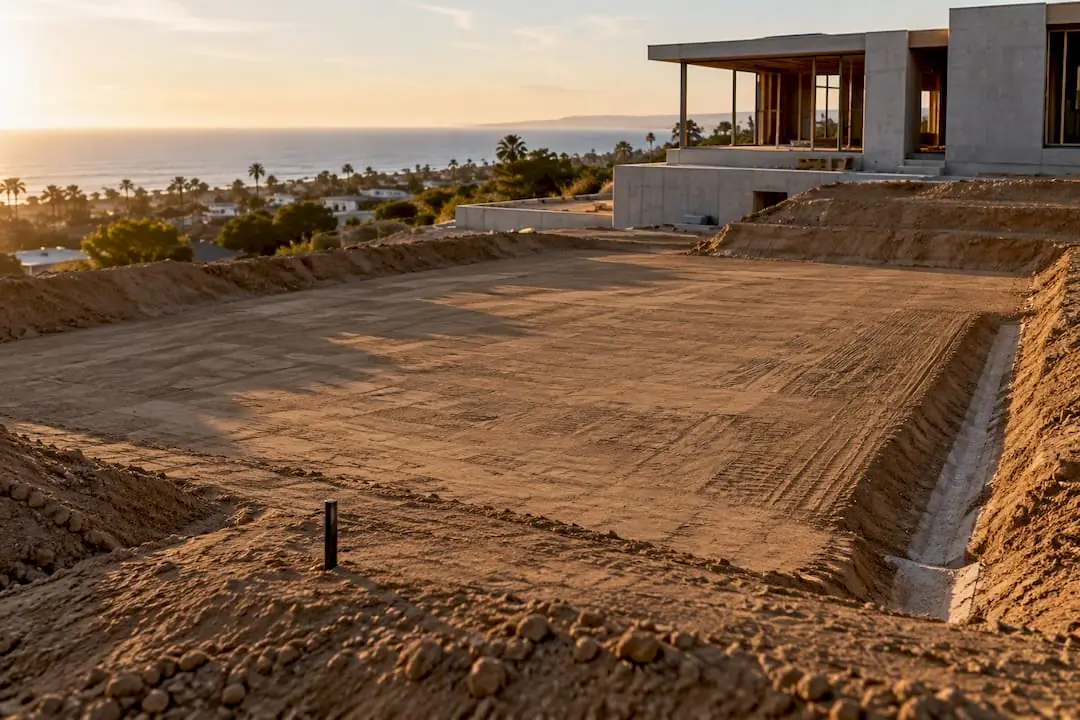
If your project cuts into a slope, brings in fill or needs a retaining wall, plan on a grading permit. Here is how the LADBS process works and where projects lose time.
Both routes can produce a great house. The right one depends on how complex your site is, how custom the design is, and how much independent oversight you want.

Design-build puts design, permits and construction under one contract. Here is what happens in each phase, what you decide and when, and how to tell if it suits your project.
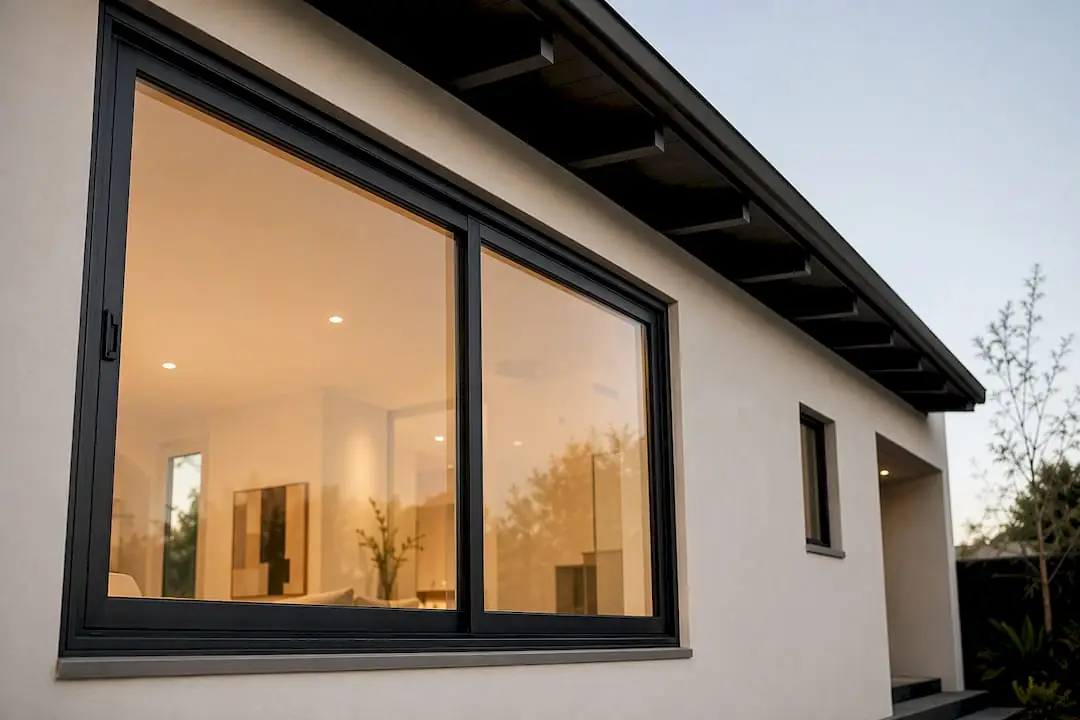
If your remodel touches windows, lighting, HVAC or water heating, or adds conditioned space, Title 24 energy rules apply. Here is what triggers them and how compliance works.
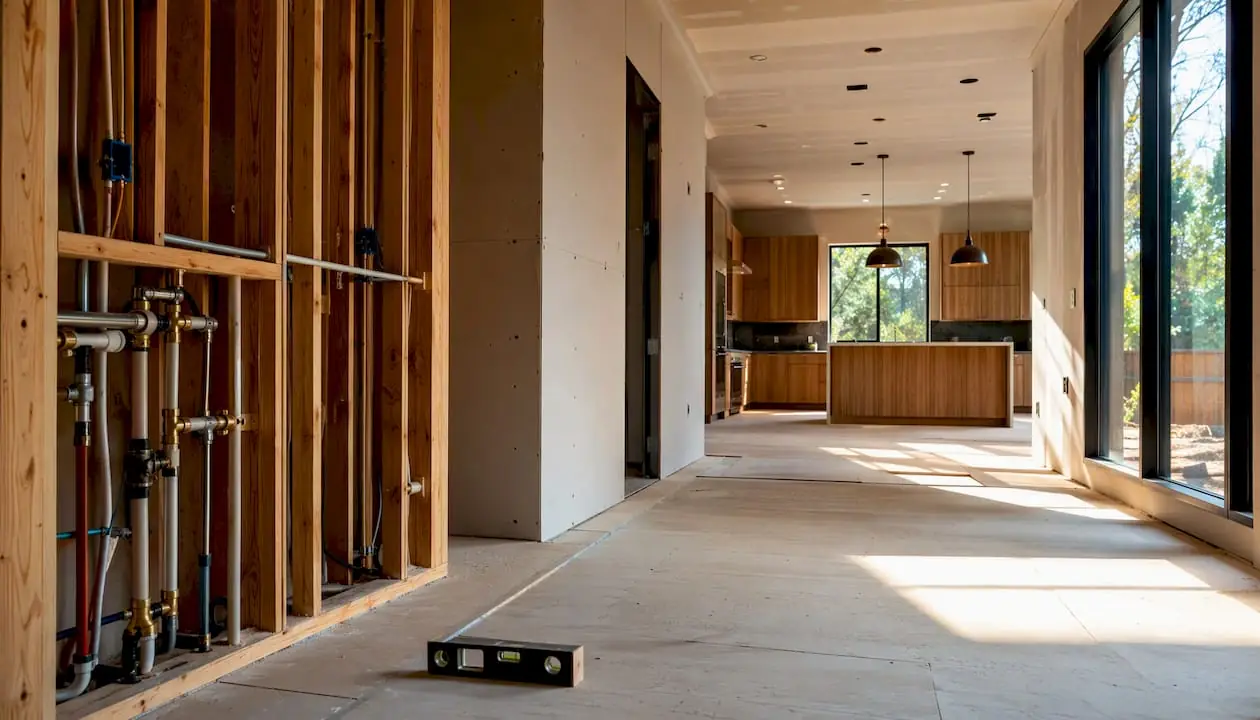
A cosmetic refresh takes weeks, a kitchen or bath takes months and a whole-home remodel can take a year. Here is the phase-by-phase sequence and what keeps it on schedule.

A change order is the signed document that changes your contract's scope, price or schedule. Here is how they work on a remodel, how they are priced and how to keep them under control.
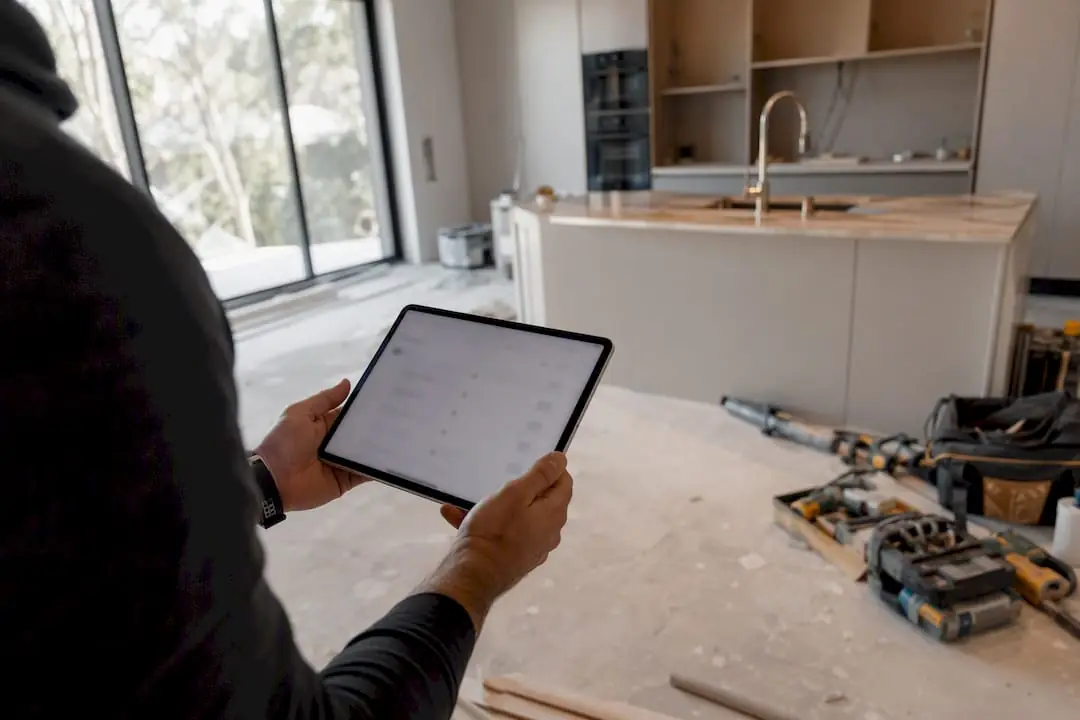
The punch list is the last list of fixes between a nearly finished project and a finished one. Here is what belongs on it, how to write it and how it connects to final payment.
Free estimate
Share a few details and we'll set up a visit. We'll look at the space, listen to what you want, and explain how permits, schedule and budget would work for your project.
Prefer to call? 888-792-8453