In this article
- What is physically different
- The ratings that matter
- Double-pane vs. triple-pane at a glance
- What drives the cost difference
- Is triple-pane worth it in Southern California?
- Noise: triple-pane is not the only answer
- Comfort and condensation
- Frames, fire zones and coastal homes
- Retrofit or full-frame replacement?
- A room-by-room approach
- Checklist before you order
- How Mr Build helps with window upgrades
For most homes in Los Angeles and Orange County, a good double-pane window with a low-e coating is the practical choice. Triple-pane windows earn their higher cost mainly in cold climates, in rooms facing heavy traffic or flight-path noise, and in very high-performance homes. In the double-pane vs. triple-pane decision, the window's certified ratings and how well it is installed matter more than the number of glass layers.
This guide explains what actually differs between the two, the ratings to compare, how noise and comfort change, what California code requires, and a room-by-room way to spend your window budget where it does the most good.
What is physically different
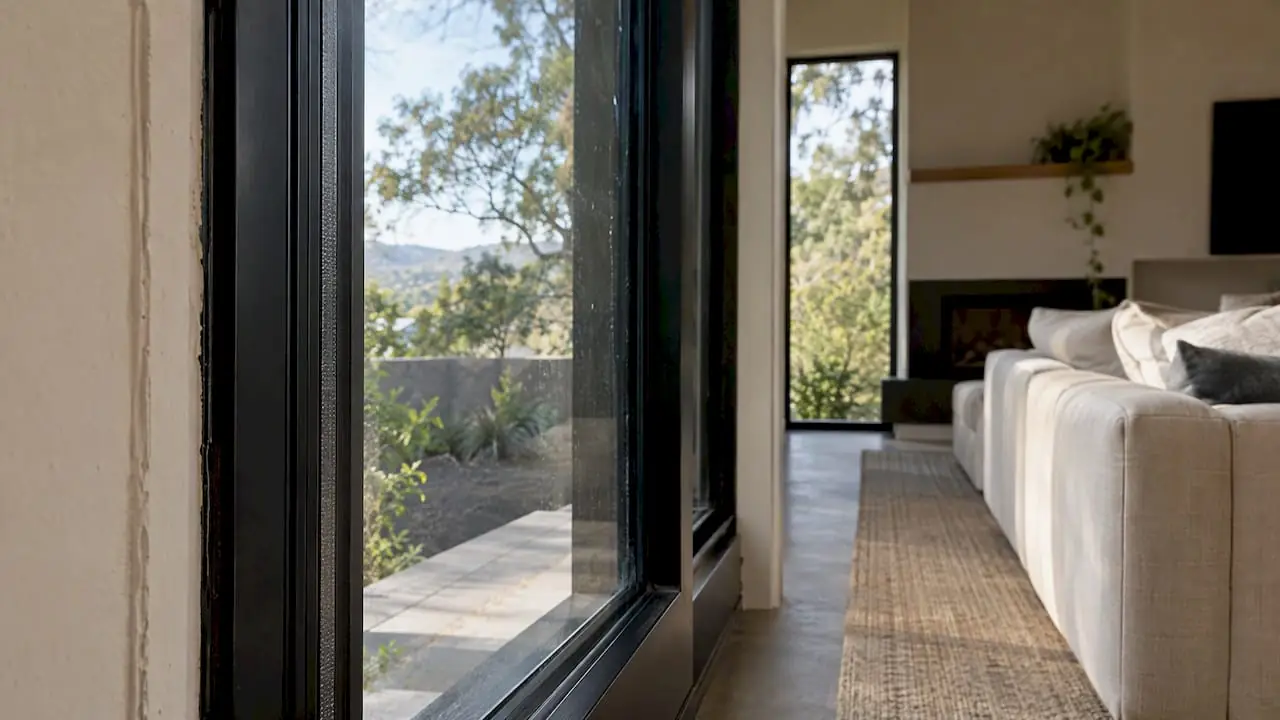
A double-pane window has two sheets of glass separated by one sealed space. A triple-pane window adds a third sheet and a second space. Both are usually filled with an inert gas, most often argon, and the glass carries low-e coatings: microscopically thin metallic layers that reflect heat while letting light through.
The third pane adds insulation, but also weight and thickness. A standard triple-pane unit can be noticeably heavier than its double-pane equivalent, and the thicker glass package may not fit an older frame. Some manufacturers now offer thin-triple units, with a very thin center pane, designed to fit closer to double-pane dimensions. Availability varies by brand and frame type.
The ratings that matter
Look past the brochure and compare the label. The National Fenestration Rating Council (NFRC) certifies whole-window performance, which includes the frame, not just the center of the glass.
- U-factor measures how much heat passes through the window. Lower is better at keeping heat in or out.
- Solar heat gain coefficient (SHGC) measures how much of the sun's heat comes through. In Southern California, a lower SHGC usually matters more, especially on west and south walls.
- Visible transmittance measures how much daylight gets in. Some coatings that block heat also darken the view slightly.
- Air leakage shows how much air slips through the window assembly itself.
ENERGY STAR sets different targets for different regions of the country, and California's energy code sets its own requirements by climate zone. Replacement windows in a permitted remodel need to meet those requirements, and the NFRC label is how the inspector checks. Our guide to the California energy code for remodels explains how windows fit into Title 24 compliance.
Double-pane vs. triple-pane at a glance
| Factor | Double-pane (low-e, argon) | Triple-pane |
|---|---|---|
| Insulation | Good; meets most California requirements | Better; lower U-factor |
| Solar heat control | Depends mainly on the low-e coating | Depends mainly on the low-e coatings |
| Noise reduction | Moderate; much better with laminated glass | Often somewhat better than standard double-pane |
| Weight | Lighter, easier on frames and hardware | Heavier; may need stronger frames |
| Fit in existing openings | Fits most retrofit frames | May need full-frame replacement |
| Cost | Lower | Typically noticeably higher per window |
| Product choice | Very wide, including custom shapes | Narrower, longer lead times on some lines |
What drives the cost difference
Triple-pane windows typically cost noticeably more than comparable double-pane units, but the glass is only part of the price. When you compare quotes, look at what actually changes:
- The glass package. A third pane, a second gas fill and extra coatings add material cost.
- The frame. Heavier glass may require a sturdier frame, sash or hardware, and fewer budget product lines offer triple-pane.
- Installation. Heavier units take more labor to handle, and a thicker unit may force a full-frame replacement instead of a retrofit insert, which brings stucco or siding repair.
- Lead time. Less common configurations can take longer to arrive, which matters when windows sit on the critical path of a remodel.
Ask every supplier for an itemized quote with the NFRC rating of each window so you are comparing like with like.
Is triple-pane worth it in Southern California?
Usually not for the whole house. Triple-pane glass pays off most where winters are long and cold, because its main advantage is keeping heat in. Los Angeles and Orange County have mild winters. Inland areas like the San Fernando Valley have hot summers, where the bigger job is keeping the sun's heat out. That job is handled mostly by the low-e coating, not by a third pane.
In practice, upgrading from an old single-pane or clear double-pane window to a modern low-e double-pane unit delivers most of the comfort and energy benefit. The step from good double-pane to triple-pane is smaller, and in a mild climate the energy payback on the extra cost can stretch for many years.
There are exceptions. Triple-pane can make sense for:
- Bedrooms or offices facing a freeway, a busy boulevard or a flight path
- Rooms with very large glass walls, where glass is a big share of the wall area
- High-performance or all-electric homes designed to run on small heat pump systems
- Rooms that feel cold next to the glass or show condensation in winter
Noise: triple-pane is not the only answer
Noise is often the real reason people ask about triple-pane. The extra pane and air space do help, but they are not always the best tool. Sound travels through glass most easily when panes vibrate at the same frequency. Laminated glass, which has a plastic interlayer, and double-pane units with two different glass thicknesses both break up that vibration. Against low-frequency traffic rumble, these can match or beat a standard triple-pane unit.
Two ratings help you compare. STC (sound transmission class) is the common measure, while OITC (outdoor-indoor transmission class) is weighted toward traffic and aircraft noise. Ask for both on each option you are considering.
Installation matters as much as the glass. A high-rated window installed with gaps around the frame will leak sound and air. Careful flashing, insulation and sealant around the opening are part of any noise upgrade.
Comfort and condensation
The inner surface of a better-insulated window stays closer to room temperature. That reduces the chill you feel sitting next to the glass and lowers the chance of condensation on cool mornings. Warm-edge spacers, the strips that separate the panes, help too, because the glass edge is where condensation usually starts. In most Southern California homes, a good double-pane window with warm-edge spacers solves both problems.
Frames, fire zones and coastal homes
The frame changes the whole-window rating even when the glass is identical. Vinyl and fiberglass insulate well. Aluminum conducts heat unless it has a thermal break. Wood and clad-wood frames insulate well and suit traditional homes but need more upkeep.
Location adds two more considerations:
- Fire hazard zones. Homes in designated fire hazard severity zones, including many hillside areas of Pacific Palisades, Brentwood and Encino, must follow California's wildfire construction rules. For windows, that generally means multi-pane glass with at least one tempered pane, or a fire-rated assembly. For homes rebuilding in the Palisades after the January 2025 fire, confirm the current requirements with LADBS.
- Coastal air. Near the beach in Manhattan Beach, Newport Beach or Huntington Beach, salt air is hard on hardware and some frame finishes. Ask about coastal-rated hardware and finishes.
Retrofit or full-frame replacement?
A retrofit, or insert, window fits inside the existing frame. It is faster and avoids disturbing stucco or siding, but it slightly reduces the glass area and depends on the old frame being sound. A full-frame replacement removes everything down to the rough opening, allowing new flashing and insulation, and is often necessary for heavier triple-pane units. Full-frame work is more involved, especially in stucco walls, and is more likely to need a permit.
If the walls are already open for a remodel, full-frame replacement is usually the better value. Pair it with better wall insulation while you have access; our comparison of spray foam vs. batt insulation covers that decision.
A room-by-room approach
You do not have to choose one window type for the whole house. A room-by-room plan often gives a better result for the same budget:
- Start with the rooms that bother you: the bedroom facing the street, the office that overheats in the afternoon, the living room that feels drafty.
- Match the solution to the problem. Laminated or triple-pane glass for noise, a low-SHGC coating for heat, better frames and air sealing for drafts.
- Use good low-e double-pane windows elsewhere.
- Keep the look consistent from the street, so mixed glass types do not show.
Checklist before you order
- Compare NFRC whole-window U-factor and SHGC, not center-of-glass numbers.
- Confirm the product meets California energy code for your climate zone.
- Ask for STC and OITC ratings if noise matters.
- Check the glass weight against your frame, sash and hardware.
- Confirm tempered glass requirements if you are in a fire hazard zone.
- Read the warranty: does it cover labor, or only the glass seal?
- Ask about lead times and order early so windows do not hold up the schedule.
How Mr Build helps with window upgrades
Window choices work best when they are part of the whole remodel plan, coordinated with framing, stucco, insulation and the energy code paperwork. Mr Build has been remodeling Southern California homes since 1984, and our free on-site consultation includes looking at your existing openings, exposure and noise sources before recommending a glass package.
Design, permits and energy compliance are handled through our process and partners, and a fixed, detailed written scope spells out exactly which windows are going where. Learn more about our complete home remodeling work, see how we work as a home remodeling company in Pacific Palisades, or book a free consultation to plan your upgrade.
Sources and further reading
- research on thin-triple glass windows.lbl.gov
- DOE research on triple-pane adoption energy.gov
- retrofit guide from Bruin Corp bruincorp.com