A demolition and rebuild contractor in West Hollywood has to answer three questions before any equipment arrives. Does the property have tenants or rental units that limit what can be torn down? Is the building, or the district around it, historically significant? And is the address even in West Hollywood, or in the City of Los Angeles next door? Only once those are clear does it make sense to design the new home.
Mr Build Co. plans teardown and rebuild projects as one job, so demolition, approvals and construction are scheduled together rather than in separate contracts.
Demolition and rebuild in West Hollywood: when it beats remodeling
West Hollywood's single-family homes are mostly modest 1920s to 1950s houses on narrow lots, many altered over the years. Signs that starting over may make more sense than remodeling:
- A foundation that is cracked, settled or poorly connected to the walls.
- Multiple rear additions or garage conversions built without permits.
- Original wiring, piping and heating throughout, with little insulation.
- A plan that cannot be reworked without moving nearly every wall.
- A lot that allows considerably more floor area than the house uses.
Keeping the house can still win, especially when it is in a historic district or demolition would trigger more review. We price both options so you can decide with real numbers. If remodeling wins, our general contractor services in West Hollywood cover large structural remodels.
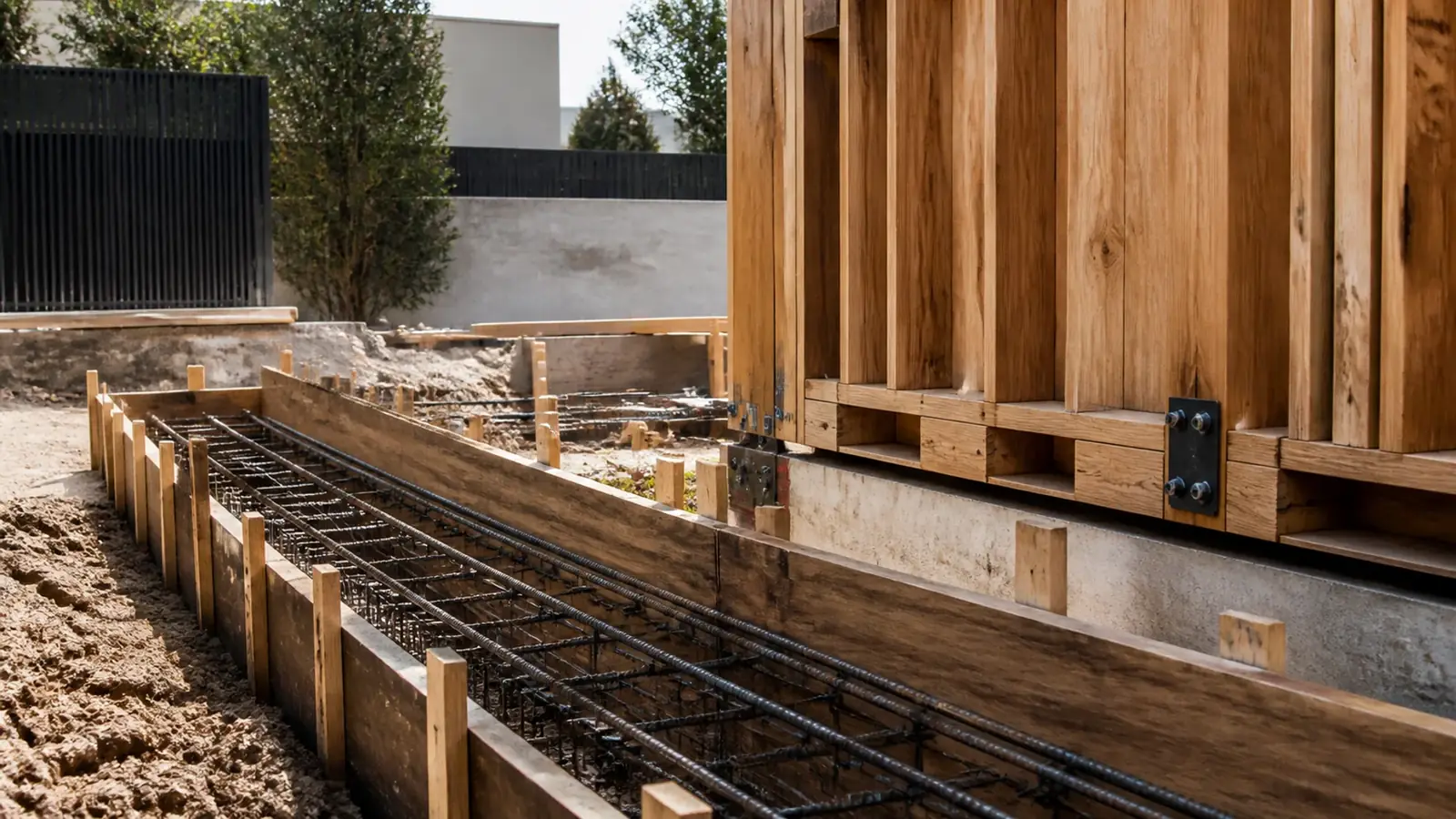
Check first: tenants, historic status and jurisdiction
Rental units
Much of West Hollywood's older rental housing is under the city's rent stabilization rules. If the property has rental units, demolition can involve relocation payments, required notices and, under state housing law, replacement of protected units. This is the area where legal advice matters most. Talk to an attorney and to the city's rent stabilization staff before you commit to a plan. An owner-occupied house with no tenants avoids most of this, but a home with a rented rear unit or converted garage may not.
Historic status
The city maintains designated cultural resources and historic districts, overseen by the Historic Preservation Commission. Older buildings may need historic evaluation before demolition is approved, and some cannot be demolished at all.
Jurisdiction
Several zip codes straddle the boundary with the City of Los Angeles, especially on the hillside above Sunset and near the eastern and southern edges. We confirm the jurisdiction from the parcel record so the right rules apply from the start.
Demolition on a tight block
On a narrow lot, the neighbor's house may be a few feet from the one coming down. A careful demolition plan covers:
- An asbestos survey and notice to the South Coast Air Quality Management District, with licensed abatement before demolition.
- Lead-safe practices for pre-1978 painted surfaces.
- Fencing, screening and dust control with water.
- Protection for shared fences, walls, trees and driveways.
- Engineered shoring where excavation is close to a property line.
- Recycling of concrete, metal and wood where practical.
- A hauling and parking plan that works with permit-parking districts and narrow streets.
Utilities have to be disconnected and capped before work starts. Water, power and gas providers each have their own process, and we start those requests early.
Talk to the neighbors before the first truck arrives. A short note or visit explaining the schedule, the work hours and who to call with a concern does more for a project on a close-knit block than any later apology. On streets where everyone parks at the curb, telling people when the dumpster and haul trucks will be there matters as much as the demolition itself.
Approvals for demolition and the new building
Both the demolition permit and the new home go through West Hollywood's Community Development Department. The new home needs planning review, which may stay with staff or reach the Planning Commission depending on scope, then building plan check, including the city's green building requirements. We prepare the demolition package while the new home is in review, so the teardown can follow quickly once the building permit is close. Our page on custom homes in West Hollywood covers the design side in detail.
Cost drivers for a West Hollywood teardown and rebuild
- Size of the existing structure and any slab, basement or hardscape to remove.
- Abatement scope for asbestos and lead.
- Shoring and neighbor protection on a tight lot.
- Haul logistics on narrow, permit-parked streets.
- Tenant relocation or replacement obligations, where they apply.
- Utility work, including sewer lateral replacement and new service sizes.
- The new home itself: size, structure, basement, glazing and finishes.
We give you a fixed written scope that covers demolition and construction. Changes after that are priced before they are built; our article on construction change orders explains how that works.
Timeline factors
Approvals for the new building, plus any historic or tenant-related process, set most of the schedule. Utility disconnects and abatement come next, then a short demolition and site clearing phase. Construction length depends on the size of the home, excavation, inspections and lead times for windows and finishes. Planning everything before demolition keeps the lot from sitting empty while you carry its costs. For a wider view of permits, neighborhoods and housing types across the city, see our West Hollywood overview.
What Mr Build handles
We manage feasibility, coordination of surveys and historic evaluation, design and engineering through our partners, demolition and building permits, abatement subcontractors, utility disconnects, demolition, hauling and construction of the new home. See our demolition and rebuild page for more. The project follows our five steps, consultation, design and permits, selections, construction and final walkthrough, with a dedicated project manager throughout.