


Manhattan Beach lets most residential lots add an ADU through one of two tracks: a streamlined building-permit-only route under Gov. Code §66323, or the city’s ADU Permit under MBMC Chapter 10.74. A detached 66323 ADU can reach 800 square feet with 4-foot side and rear setbacks, while a JADU stays inside the main home at 500 square feet with an owner-occupancy covenant, as described in the City’s guidance. Check Coastal Zone status first.
TL;DR:
- Confirm your permit track with Planning before design: qualifying projects use ministerial review, while projects outside state limits face Chapter 10.74 standards.
- Check the City’s map first: Coastal Zone properties need a Coastal Development Permit, may face different parking rules, and remain subject to state coastal procedures.
- Detached ADUs generally top out at 16 feet, although units above garages may reach 26 feet; bedroom count and lot conditions can change buildable dimensions.
- Plan checks take 20 business days for residential additions and remodels or 30 for new construction; incomplete intake delays the start of either clock.
- JADU covenants typically require owner occupancy and rentals of at least 30 days, and the recorded declaration may be needed before final inspection.
Table of Contents
- Who can build an ADU in Manhattan Beach, and how many?
- Which permit pathway applies to your project?
- What are the size, setback, height, and unit limits?
- How do parking and the Coastal Zone change your review?
- What does the permit process look like, and how long does plan check take?
- What are the JADU rules for owner-occupancy and rentals?
- How should you check your property and prepare next steps?
- Why local permitting experience matters
- How we help Manhattan Beach homeowners build ADUs with confidence
- FAQ
- Sources
Who can build an ADU in Manhattan Beach, and how many?
Eligibility starts with your lot type and zoning. Here is how the city’s framework sorts out:
- Single-family lots: ADUs and JADUs may be allowed when the development standards are met, according to the City’s ADU and JADU page.
- Multifamily lots: state law allows conversions of non-livable space, along with a limited number of new detached ADUs, and the city applies those caps alongside its local rules.
- Zoning check: the City’s interactive zoning map confirms whether your parcel’s zoning permits an ADU and whether it sits in the Coastal Zone.
- Separate state pathway: lots that qualify under SB 9 follow a different set of local rules, so ask the Planning Division which one fits your plans.
Ordinance No. 25-0004 was adopted on April 1, 2025, and took effect May 1, 2025. It updated the local ADU and JADU rules, so older articles and handouts may be out of date.
Which permit pathway applies to your project?
Manhattan Beach runs a two-track system. The first track is the “66323 ADU,” approved with a building permit only. State law limits the standards a city may apply to these units, and it requires ministerial approval for qualifying projects under the state’s ADU provisions. Size caps, setbacks and building and safety codes still apply.
The second track is the standard ADU Permit under MBMC Chapter 10.74. A project lands here when it does not fit the 66323 limits, and the city’s additional local development standards then apply.
Our advice: confirm the pathway before anyone draws a plan. The City’s guidance document on 66323 ADUs makes the point clearly. Designing for the wrong track often means a redesign and an extra round of resubmittals. A short pre-submittal conversation with the Planning Division, followed by design, keeps the project on one track from the start.
What are the size, setback, height, and unit limits?
These are the dimensional standards most owners need for a first sizing exercise:
- Detached 66323 ADU: up to 800 square feet, with minimum 4-foot side and rear setbacks, per the City’s guidance.
- JADU: up to 500 square feet, contained within the primary dwelling. Where allowed, the footprint may expand by up to 150 square feet for ingress and egress, according to the City’s guidance.
- Bedroom-based caps: the City’s tables set separate maximums for studio or one-bedroom units and for two-bedroom units, so check the table for your zoning.
- Height: detached ADUs typically top out at 16 feet, with an exception up to 26 feet for a unit above a garage, according to the City’s guidance.
- Separations and front setback: minimum spacing between structures applies, and a unit generally cannot sit forward of the primary structure’s front setback.
Do not treat these as final numbers for your lot. Lot shape, existing structures and the pathway you select can shift what is buildable, which is why we sketch options against the City’s tables before a client commits to a floor plan. If you are adding a new detached unit, it also pays to consider energy compliance early. Title 24 solar requirements can affect roof layout and electrical planning on new construction.
How do parking and the Coastal Zone change your review?
For most Manhattan Beach ADUs, no additional or replacement parking is required. The notable exception is the Coastal Zone, where the City’s guidance on 66323 ADUs says parking rules can differ.
Coastal Zone status affects more than parking. Properties inside the zone need a Coastal Development Permit in addition to the building permit, and that review runs concurrently with the other approvals. The City has adopted Local Coastal Program amendments to add local ADU and JADU regulations, but they are still pending certification from the California Coastal Commission. Until that happens, Coastal Zone projects remain subject to state law and coastal permit procedures, as the City’s ADU page explains.
Your first practical step is to look up your parcel on the City’s interactive map. If it falls inside the Coastal Zone, plan for the extra permit step from day one.
What does the permit process look like, and how long does plan check take?
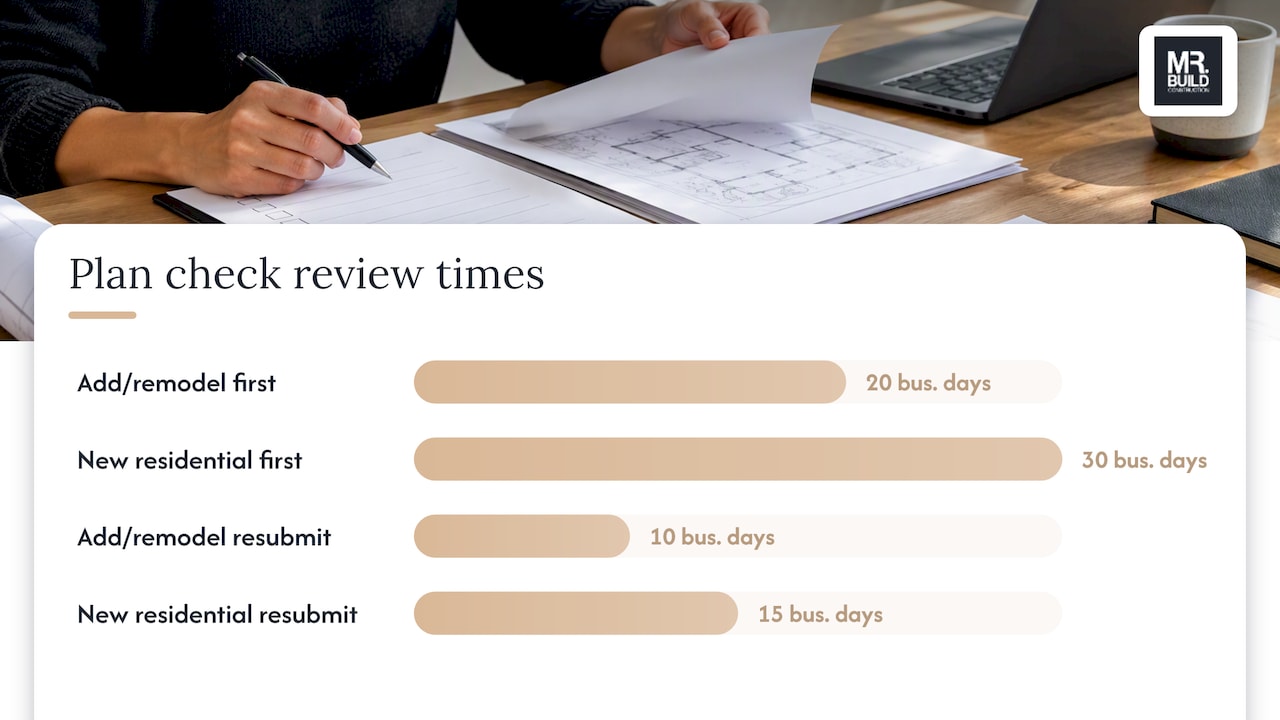
The City’s plan-review schedule sets the clocks: 20 business days for the first submittal of residential additions and remodels, and 30 business days for new residential construction. Resubmittals take 10 and 15 business days respectively. The clock starts only after the intake is complete.
A typical sequence looks like this:
- Download the ADU handout and information form from the City’s Permits, Forms, and Handouts page.
- Confirm your pathway and Coastal Zone status.
- Prepare the property survey, site plan, existing floor plans and new construction drawings.
- Submit for plan check so the review clock can begin.
- Respond to corrections quickly and resubmit.
- Keep full-size stamped plans on site during construction so inspections are not delayed.
Pro Tip: Show code compliance on your very first submittal. Most delays come from missing details that trigger a correction round, not from the city’s review itself.
What are the JADU rules for owner-occupancy and rentals?
Junior ADUs come with long-term obligations. Manhattan Beach planning documents require a recorded declaration of restrictions, which typically requires owner-occupancy and rental terms of 30 days or longer. The City’s JADU requirements also note that affordable rent conditions under Health and Safety Code Section 50053 may apply.
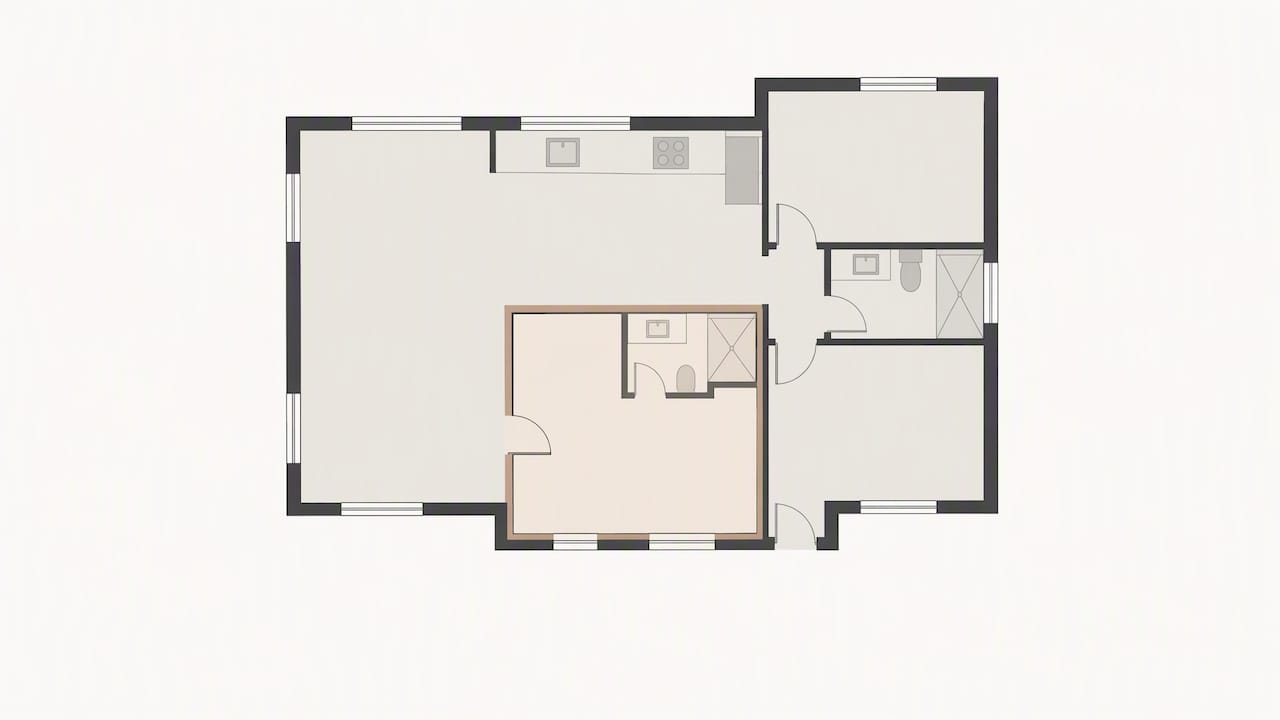
A JADU must be contained within the primary dwelling and meet the size and feature requirements in state law and City guidance. In many cases the covenant has to be recorded before final inspection, so build that step into your schedule rather than leaving it for the last week.
How should you check your property and prepare next steps?
Before you call a contractor or the city, work through this short local checklist:
- Check zoning and Coastal status on the City’s interactive GIS map.
- Gather your documents: the ADU handout, information form, property survey, site plan and any existing floor plans.
- Call the Planning Division for a pre-submittal check on your pathway.
- Ask any contractor about their experience with MBMC Chapter 10.74, Coastal Zone projects and plan-check coordination.
- Ask who handles corrections, and how quickly they turn resubmittals around.
Why local permitting experience matters
Delays come from picking the wrong pathway, missing a Coastal Zone step, or filing plans that invite a second correction round. Chapter 10.74, the pending coastal amendments and the plan-check clocks all interact, and someone who has worked through them before sees the snags early. Our team at Mr Build Co. manages ADU projects across Los Angeles, and our project-management approach is built around catching these issues before submittal rather than after.
— David S.
How we help Manhattan Beach homeowners build ADUs with confidence
We handle design, permitting and construction under one roof, so your pathway decision, plans and build stay coordinated. Our ADU / Additions service is built for homeowners ready to move, and our local ADU builder page for Manhattan Beach shows how we work in your area. A consultation with us covers:
- A permit-pathway review for your lot
- A site assessment, including Coastal Zone status
- Coordination of plan submission with the City

Request a consultation through our ADU page and we will walk through your property with you.
FAQ
Are short-term rentals allowed in Manhattan Beach ADUs?
Check with the City before planning any short-term use. For a JADU, the recorded declaration requires rental terms of 30 days or longer, so nightly rentals are not an option for that unit.
What changed in Manhattan Beach’s ADU rules recently?
Ordinance No. 25-0004 amended MBMC Chapter 10.74 and took effect May 1, 2025. It created the two-track framework described above, though Coastal Zone provisions still await Coastal Commission certification.
What is one drawback of an ADU?
The biggest surprise for owners is timeline risk. Choosing the wrong pathway or missing a Coastal Zone requirement can add redesigns and resubmittals, which is why we confirm both before drawing plans.
Do I need extra parking for an ADU in Manhattan Beach?
Generally no. No additional or replacement parking is typically required, with the Coastal Zone as the notable exception noted in the City’s guidance.

