In this article
A cosmetic bathroom refresh takes about one to two weeks of work. A full remodel that keeps the existing layout usually takes four to six weeks of construction, and a primary bathroom with moved plumbing or walls often takes eight weeks or more. Add a few weeks to a couple of months before demolition for design, selections, ordering and permits.
The rule that keeps any bathroom remodel timeline realistic: finalize every selection and confirm lead times in writing before demolition day. Below is how each phase works, what slows projects down and a checklist to lock in your dates.
Bathroom remodel timeline by scope
Scope drives the schedule more than square footage. A small bathroom with a layout change can take longer than a large one that keeps its footprint, because every moved pipe or wall adds work and inspections.
| Scope | What it includes | Active construction | Permit |
|---|---|---|---|
| Cosmetic refresh | Paint, vanity swap, faucets, lighting, mirror, maybe flooring | About 1 to 2 weeks | Often not needed |
| Full remodel, same layout | New shower or tub, tile, vanity, fixtures, fan; plumbing stays put | About 4 to 6 weeks | Usually needed |
| Full remodel with layout changes | Moved toilet or shower, new walls, curbless shower, expanded footprint | Often 6 to 10 weeks or more | Needed, often with plans |
Expect a gap between signing a contract and the start of work. That time covers drawings, permits, ordering materials and scheduling crews. A few weeks is normal and not a red flag; what matters is that the start date is tied to permits and materials being ready.
The phases, step by step
A remodel is a chain of phases, each with its own dependencies and inspection points. Knowing them lets you turn an estimate into a calendar.
1. Design, selections and permits (before demolition)
This is the phase you control most. Measuring, design and choosing every item, tile, vanity, top, fixtures, valves, lighting, hardware, glass and paint, typically takes two to four weeks if you decide quickly. Drawings go to the city once the design is final, and review time depends on the city and the scope. Long-lead items get ordered now, not after demolition.
2. Demolition and discovery (days 1 to 3)
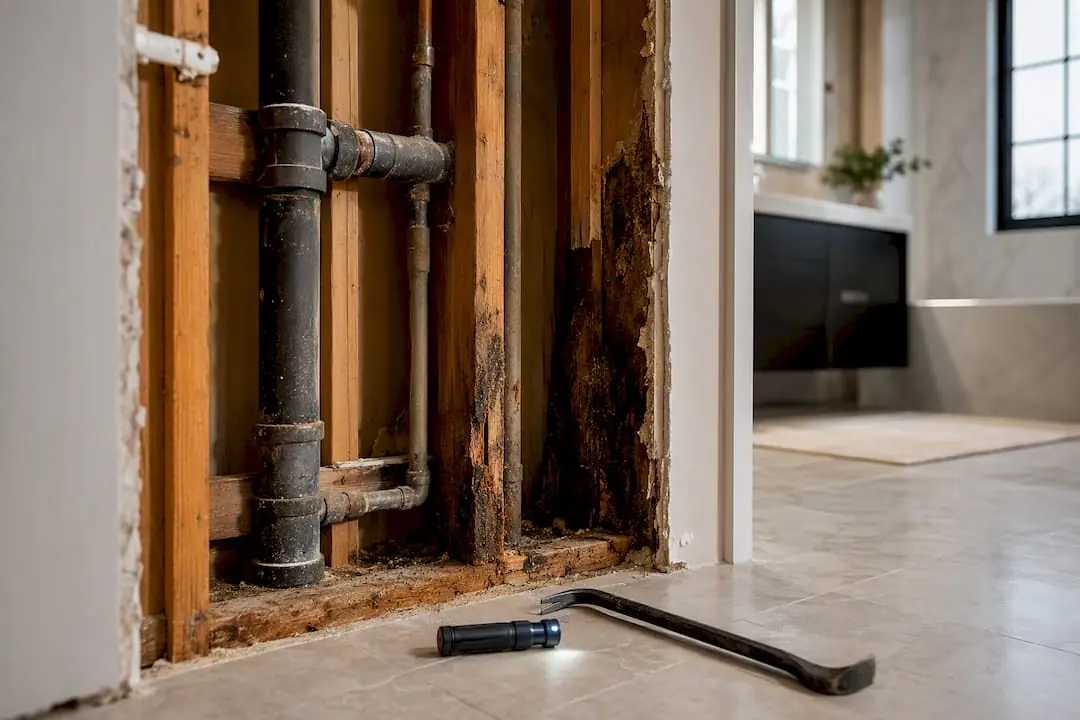
Tearing out the old bathroom is quick, usually a day or two. What you find behind the walls decides what happens next. In older LA and Orange County homes, it is common to find galvanized pipe, a rotted subfloor under a toilet or tub, or old leak damage. A good contractor walks you through findings the same day and prices repairs before continuing.
3. Framing, plumbing and electrical rough-in (about 1 week)
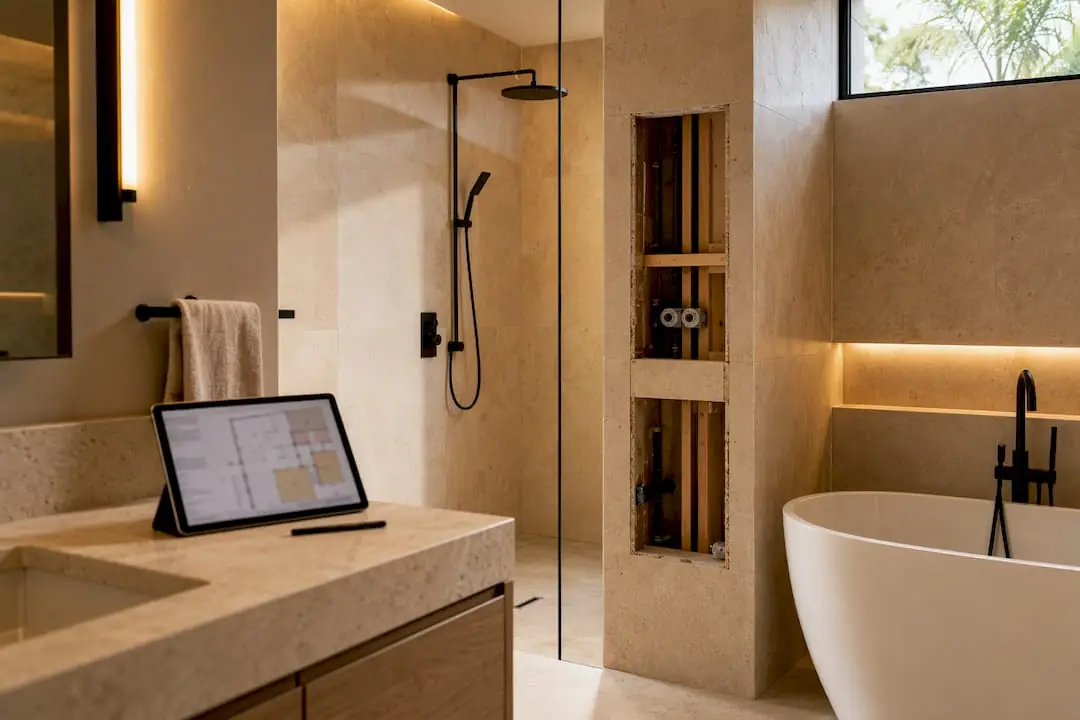
Framing changes, blocking for grab bars and niches, new supply and drain lines, valves, wiring, boxes and the fan duct go in now. Then the rough inspections. This is the first hard stop: walls can't close until the inspector signs off, and inspection dates are set by the city's schedule.
4. Waterproofing, backer and tile (about 1 to 3 weeks)
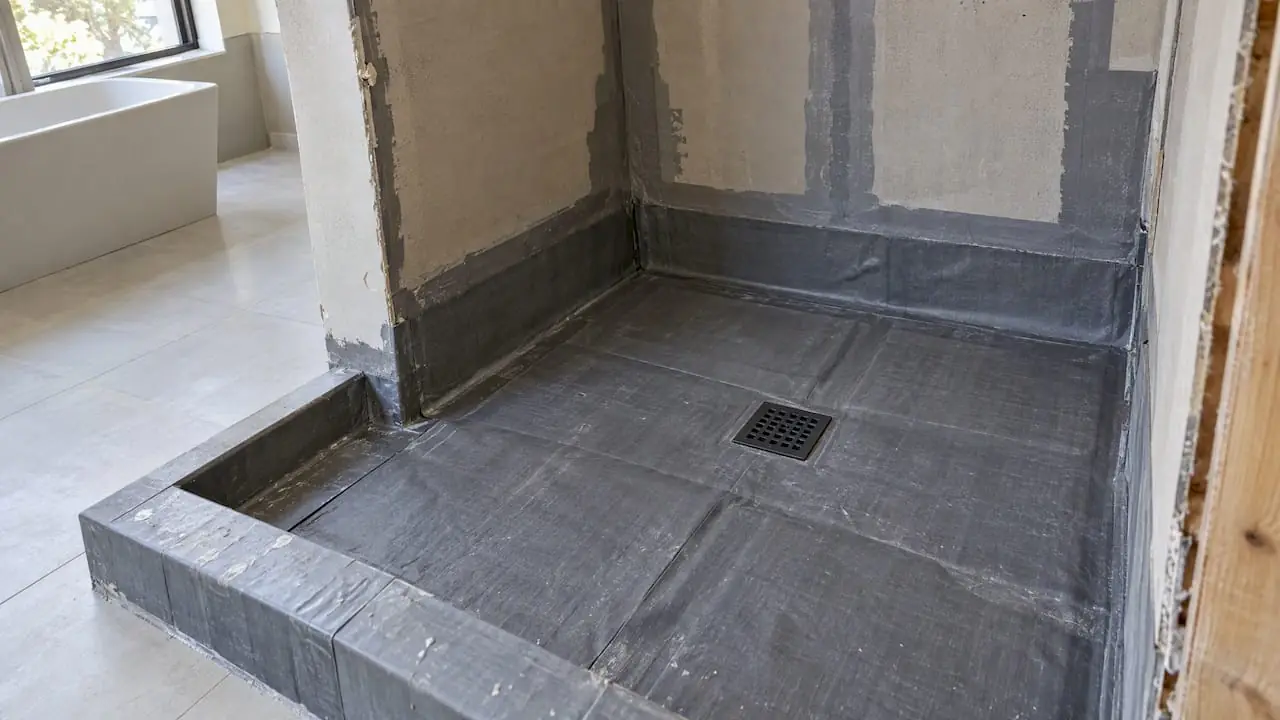
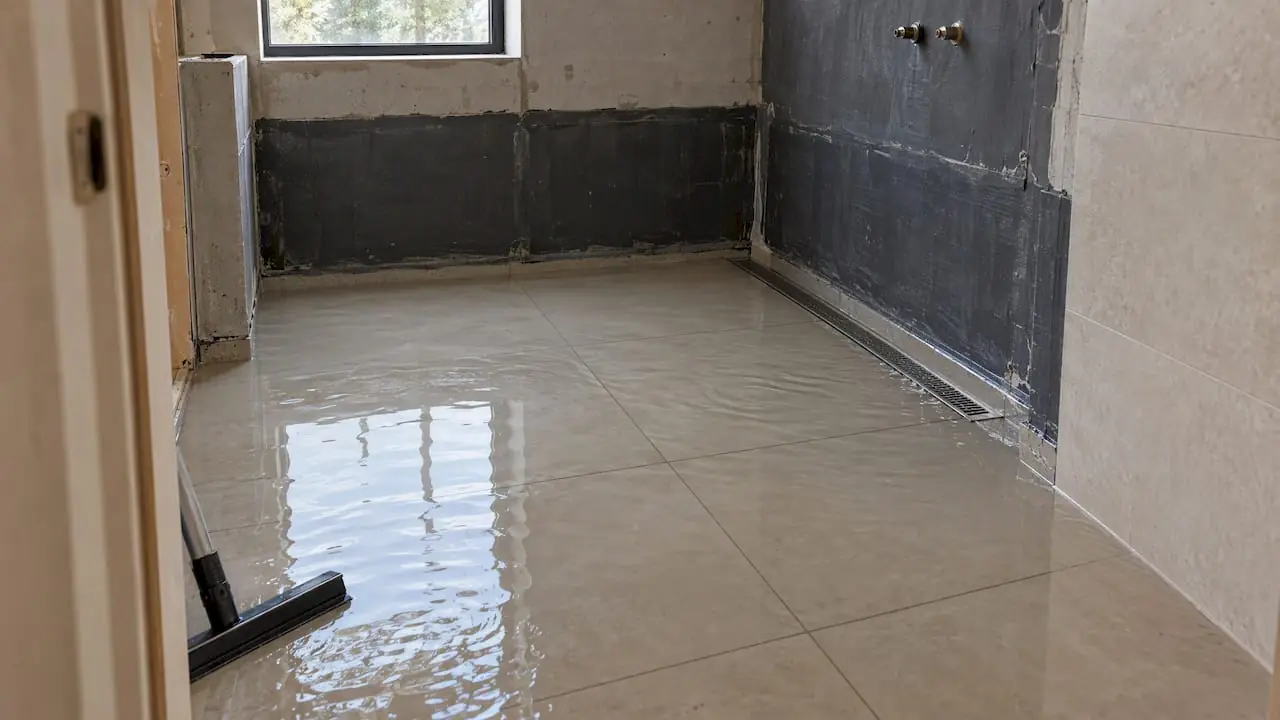
Tile is usually the longest phase, and much of that time is waiting, not setting. The shower pan is sloped and waterproofed, then flood tested. Backer board or a membrane system goes on the walls, tile is set, and grout cures before sealing. Large-format tile, intricate patterns and curbless showers take longer. Rushing this phase is how you get cracked grout and leaks. Our article on shower waterproofing methods explains the options.
5. Vanity, countertop, fixtures and glass (about 1 to 2 weeks)
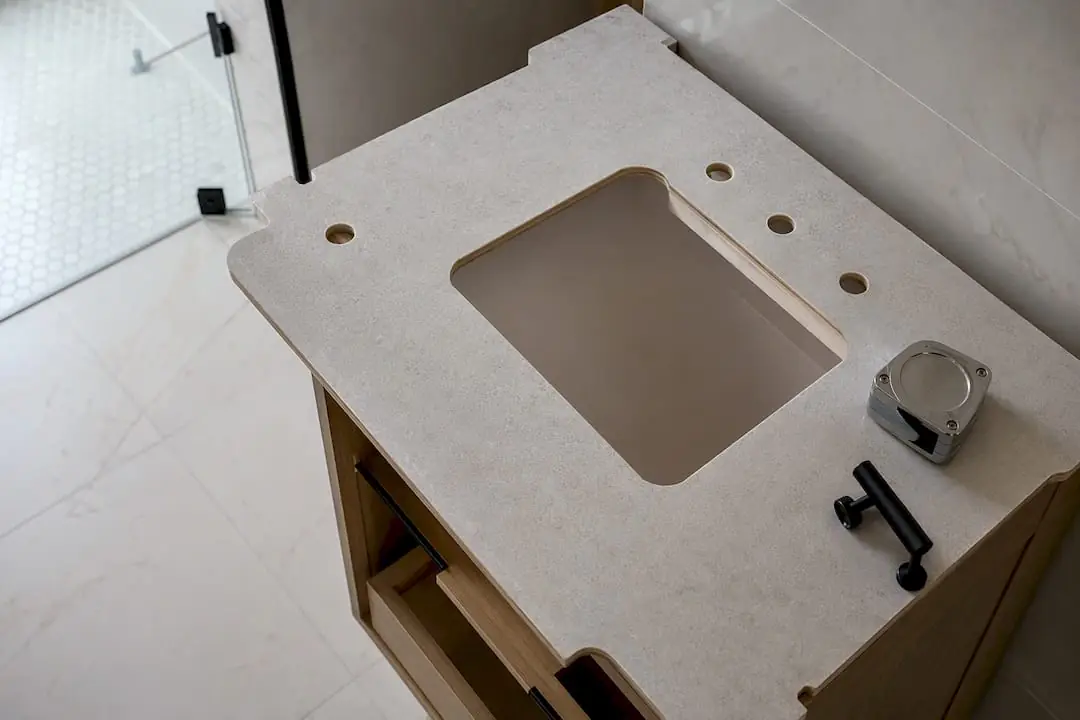
The vanity goes in, then the countertop is templated on the installed base, fabricated and set. That fabrication often takes a week or more. Frameless shower glass is measured only after tile is complete, then made to order, often another one to three weeks. Plumbing fixtures, lights, mirrors and accessories go in around these steps.
6. Final inspection and punch list (a few days)
The city's final inspection confirms the work meets code. Then you walk the room with your project manager and list small fixes: caulk lines, a door that rubs, a slow drain. The bathroom is truly done when the final is signed and the punch list is closed, not when the last tile is set.
Phase summary
| Phase | Typical duration | What controls it |
|---|---|---|
| Design and selections | 2 to 4 weeks | How quickly decisions are made |
| Permits and ordering | 1 to several weeks | City review time, material lead times |
| Demolition | 1 to 2 days | Scope and what is found |
| Rough-in and inspection | About 1 week | Inspection scheduling |
| Waterproofing and tile | 1 to 3 weeks | Cure times, tile size and pattern |
| Vanity, top, fixtures, glass | 1 to 2 weeks | Fabrication and glass lead times |
| Final inspection and punch list | A few days | Inspector availability |
Good project management overlaps what can overlap. Ordering the glass the day tile is finished, or scheduling the plumber the day after rough inspection passes, saves days that a loosely run job loses.
How permits and layout changes stretch the schedule
Permits add time in two places. Before construction, plan check can take anywhere from a short counter review for simple trade work to several weeks for a remodel with drawings, depending on the city and how many correction rounds are needed. During construction, each inspection is a stop until the inspector comes out. Cities across LA and Orange County, from LADBS in Los Angeles to Building & Safety in Irvine or Costa Mesa, each run their own schedules, so ask your contractor how they build inspection time into the calendar.
Layout changes add time for a simple reason: more of the job happens inside the walls and floor. Moving a toilet means cutting the subfloor and rerouting the drain and vent. A curbless shower often means recessing the floor framing, which can need an engineer's detail. Widening a doorway in a bearing wall means a header and sometimes a structural review. Each adds days of work and another item the inspector checks.
If speed matters most, keep the plumbing where it is. A same-layout remodel with every selection made ahead of time is the fastest version of a full bathroom remodel.
What delays a bathroom remodel
Most schedule slips trace back to four causes, and three are preventable before demolition.
- Material lead times. Semi-custom vanities can take several weeks, specialty or imported tile can take longer, and shower glass can't be ordered until tile is done. A vanity ordered late leaves the crew waiting with nothing to do.
- Hidden damage. Rot, mold or failing pipes add days to weeks. Mold needs proper containment and removal, not a quick wipe.
- Permits and inspections. Review times and inspection availability vary by city and season. A schedule should include inspection windows, not assume same-day visits.
- Changes after work starts. Switching the tile after the backer board is up, or moving a niche after rough-in, can cost a week.
Pre-demolition checklist
Do these before demolition and your dates become much firmer:
- Finalize every selection, down to grout color, valve trim and towel bar locations.
- Get lead times in writing for every special-order item, and confirm who places each order.
- Have materials delivered or confirmed before the crew starts, especially the vanity, tile and valves.
- Ask for a phase-based schedule with target dates for rough inspection, tile completion, fixture installation and the final walkthrough.
- Agree on how changes are handled, in writing, including who absorbs time and cost for owner changes versus supplier or permit delays.
- Sort out your temporary bathroom now, not the week you need it.
Living without the bathroom
If it is your only bathroom, plan for it to be out of service for the entire construction period. Water may be shut off for parts of some days, and the room will be full of dust, tools and open walls.
- Arrange a family member's, neighbor's or gym's shower for the whole period rather than day by day.
- Consider a rented portable restroom if no other option works for your household.
- Ask whether the toilet can be reset early in the sequence. Sometimes it can, but only if it is planned.
- Protect the rest of the house: dust barriers, floor protection and a clear path for the crew.
For bigger projects where several rooms are affected, our guide to living in your home during a remodel has more practical advice.
How a contractor keeps the schedule on track
The difference between the estimate and the real finish date is usually project management, not crew speed. Look for a contractor who:
- Gives you a written schedule by phase, not a single total duration.
- Orders long-lead items against confirmed lead times before demolition.
- Books inspections as soon as work is truly ready and lines up the next trade right after.
- Tells you about hidden conditions the day they are found, with a written price before proceeding.
- Has one person, a project manager, responsible for your job.
How Mr Build schedules bathroom remodels
Mr Build Co. has managed remodels across Los Angeles and Orange County since 1984. Every bathroom remodeling project follows our five-step process: consultation, design and permits, selections, construction and final walkthrough. Selections are finished before construction is scheduled, permits are handled in-house through our partners and a dedicated project manager runs the job from a fixed, detailed written scope.
If you are along the coast, see our bathroom remodeling in Huntington Beach. To get a realistic schedule for your bathroom, book a free on-site consultation.
Sources and further reading
- construction windows average 20 to 30 working days sweeten.com
- up.codes up.codes
- design-first approach where selections get locked before demo starts thornappleconstruction.com
- where good project management earns its keep mammothnewyork.com
- EPA’s mold cleanup guidance epa.gov
- buildwithinspiration.com: bathroom remodel timeline buildwithinspiration.com
- One Day Doors & Closets onedaydoorsandclosets.com