In this article
- How to think about bathroom remodel ROI
- Upgrades that tend to pay back
- Upgrades that usually don't
- Cosmetic refresh vs full remodel
- Which bathroom to remodel first
- How to set your budget
- How a remodel helps the sale beyond price
- What protects your return during construction
- How Mr Build helps you plan a remodel that pays off
A bathroom remodel rarely returns its full cost in sale price. National cost-versus-value studies consistently show bathroom projects recovering only part of what they cost, with smaller, midrange updates recovering a larger share than high-end gut remodels. The best bathroom remodel ROI comes from visible upgrades, a vanity, tile, lighting and fixtures, done inside the existing layout.
The rest of the payoff shows up in ways a percentage can't capture: a bathroom that photographs well, fewer buyer credit requests and a faster sale. This guide covers what pays back, what doesn't, how to set a budget and when a full remodel is worth it.
How to think about bathroom remodel ROI
ROI figures for remodeling usually mean one thing: the percentage of project cost that shows up as added resale value right after completion. By that measure, very few remodels break even. The percentage also falls as spending rises. A modest update tends to recover a bigger share of its cost than a luxury remodel, even though the luxury job may add more total dollars.
That gives you two different questions to ask:
- Are you selling within a year or two? Then the percentage recovered matters most. Spend on what buyers see, keep the scope tight and match the neighborhood.
- Are you staying five years or more? Then you are buying daily use. The resale math still matters, but comfort, durability and fixing what is broken should drive the scope.
National averages are a starting point. In Los Angeles and Orange County, where home prices are high and buyers expect updated bathrooms in many neighborhoods, a dated bathroom can cost you more at the negotiating table than it would elsewhere.
Upgrades that tend to pay back
Buyers form an opinion about a bathroom in a few seconds, usually from a listing photo. Spend where their eyes go.
- Vanity and countertop. A new vanity with a quartz or stone top changes the whole room. It is often the single best-value upgrade.
- Coordinated fixtures and hardware. Faucets, shower trim, towel bars and cabinet pulls in one finish read as finished and intentional.
- Lighting and mirror. Good light at the mirror is cheap compared with tile and shows up in every photo.
- Tile and flooring. Worn grout, cracked tile and dated colors are among the first things buyers notice. Neutral, durable tile wins.
- Tub or shower refinishing. If a cast-iron or steel tub is sound, professional refinishing costs a fraction of replacement and looks close to new.
- A clean, well-sealed shower. New glass, fresh caulk and grout, and no signs of water damage remove a major buyer worry.
- Exhaust fan. Not glamorous, but a quiet fan that actually clears moisture prevents the mildew that inspectors and buyers flag.
Upgrades that usually don't
- Moving plumbing. Relocating a toilet, shower or drain adds thousands of dollars that buyers never see. Leave the layout alone unless it is genuinely broken.
- Over-personalized finishes. Bold stone, unusual colors and statement tile suit your taste, not necessarily the next owner's.
- Stacked luxury features. Steam showers, multiple body sprays and smart mirrors rarely add value in proportion to cost, except in top-tier homes where buyers expect them.
- Finishes above the neighborhood. A bathroom far nicer than the rest of the house or the comparable sales won't pull the price up to match.
Our guide to common bathroom remodeling mistakes covers more of the choices that waste budget.
Cosmetic refresh vs full remodel
The biggest ROI decision is scope. As rough 2026 estimates for the LA area, many projects fall into these bands, depending on size, finishes and what is found behind the walls:
| Scope | What it includes | Typical LA-area range (estimate) |
|---|---|---|
| Cosmetic refresh | Paint, new vanity and top, fixtures, lighting, mirror, refinished tub, maybe new flooring | About $8,000 to $20,000 |
| Midrange remodel, same layout | New tile, shower or tub, vanity, fixtures, fan and lighting; plumbing stays in place | About $30,000 to $60,000 |
| High-end or primary bath with layout changes | Moved plumbing, larger shower, custom vanity, premium tile and glass | Often $75,000 and up |
A full remodel makes financial sense when:
- The bathroom has real problems: failing waterproofing, rot, poor ventilation or a layout that doesn't work.
- You plan to stay long enough to enjoy it, regardless of resale.
- You are deliberately moving the home into a higher price tier and the comparable sales support it.
Otherwise, for a pre-sale project, a sharp cosmetic refresh usually returns more per dollar.
Which bathroom to remodel first
If you can only do one, the order usually goes like this:
- The primary bathroom. Buyers weigh it most, and it is the room they imagine using every day. A dated primary bath drags down the whole house.
- The hall or guest bathroom. It is often the one buyers see first on a tour, and the one kids or guests use. A same-layout refresh here usually goes a long way.
- The powder room. Small, cheap to update and highly visible to guests. New lighting, a vanity, a mirror and paint can change its look for very little.
If one bathroom has water damage or a failing shower, fix that one first regardless of the order above. A buyer's inspector will find it, and a leak repair negotiated during escrow is rarely cheap.
Upgrades that pay back in use, not resale
Some upgrades won't move the sale price much but are worth it if you are staying. Grab-bar blocking inside the walls, a curbless shower, a comfort-height toilet and wider doors make the room usable for decades. Radiant floor heat and a quiet, humidity-sensing fan make it more comfortable every day. Water-efficient fixtures lower bills. Judge these on how long you'll live with them, not on what an appraiser will say.
How to set your budget
Set a ceiling before you pick a single tile. That limit protects your return more than any finish choice.
- Look at comparable sales. Ask an agent for recent sales of similar homes nearby and look at their bathroom photos. That tells you the finish level buyers expect.
- Use the rule of thumb carefully. A common guideline puts a primary bathroom at about 5 to 10 percent of the home's value and a secondary bath at less. In expensive LA neighborhoods, treat that as a maximum, not a goal.
- Put most of the money where it shows. Tile, the shower, vanity, flooring and lighting should take the bulk of the budget.
- Hold a contingency. Older homes often hide rotted subfloors, galvanized pipes or old wiring. Keep 10 to 15 percent in reserve so a discovery doesn't force you to downgrade finishes.
- Keep a tub somewhere. If buyers in your area include young families, keep at least one bathtub in the house.
For how a bathroom fits into a larger renovation budget, see our home renovation budget breakdown.
How a remodel helps the sale beyond price
A dated or damaged bathroom gives buyers leverage. Inspection reports flag soft subfloors, leaking valves, missing GFCI outlets and fans vented into the attic, and buyers turn each item into a credit request. A recently remodeled, permitted bathroom removes most of those talking points.
It also helps the listing. Bathrooms are among the most-viewed photos, and a clean, bright room makes a house look cared for. That can mean more showings and a shorter time on market, which saves carrying costs. None of this shows up in a simple percent-recovered figure, but it shows up in your net proceeds.
Permits matter here. Unpermitted bathroom work has to be disclosed and can spook buyers, lenders and insurers. A permitted remodel with a final inspection on record is an asset; an unpermitted one can be a liability.
What protects your return during construction
- Keep the layout. It is the biggest single way to put money into finishes instead of plumbing.
- Choose finishes against the comps, not the showroom. A mid-priced faucet and a luxury one often look identical in photos.
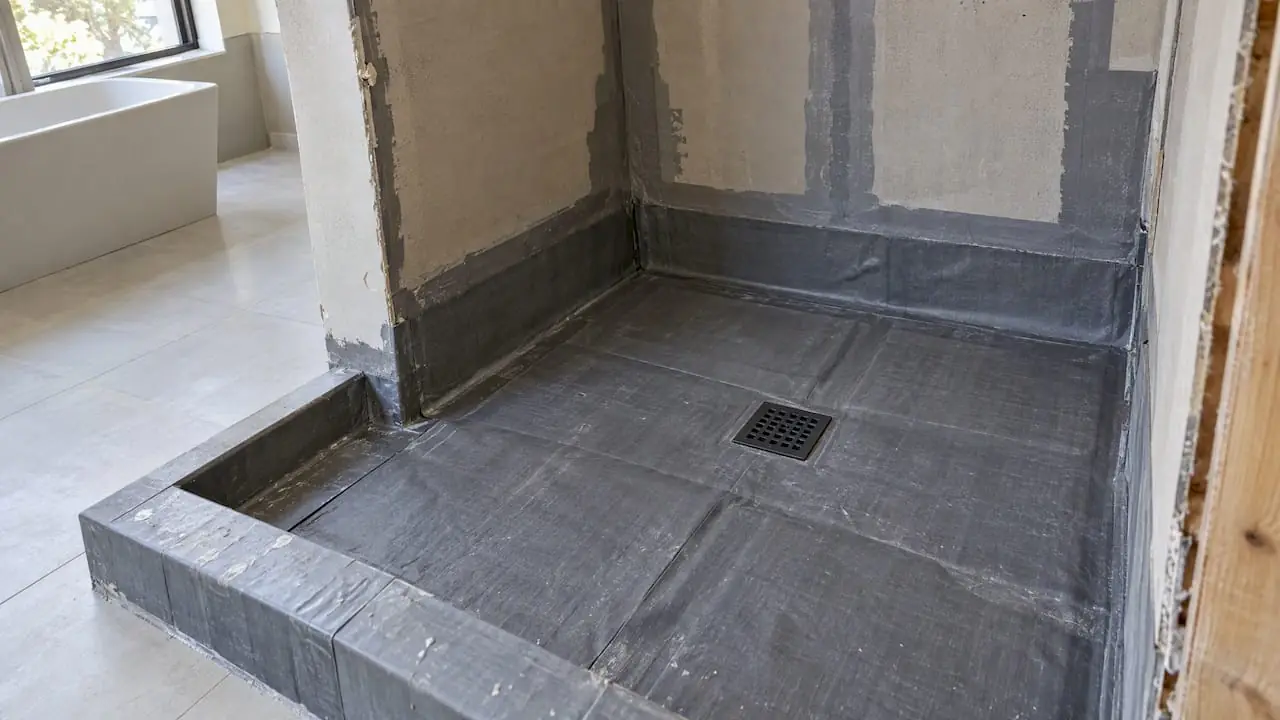
- Don't skip what's hidden. A proper waterproofing membrane and a correctly ducted fan cost little and prevent the damage buyers' inspectors look for.
- Get a fixed written scope. Know what is included and how changes and hidden damage will be priced before work starts.
- Finalize selections before demolition. Mid-project changes cost time and money that add nothing to value.
When you interview contractors, ask how they would keep the current layout, how they price a discovery like water damage and what is included versus billed as a change order. The answers say a lot about your final cost.
How Mr Build helps you plan a remodel that pays off
Mr Build Co. has been remodeling homes in Los Angeles and Orange County since 1984, with a 4.9 out of 5 average client rating. Our bathroom remodeling process starts with a free on-site consultation, where we look at the room, talk through whether you are selling or staying and recommend a scope that fits. You get a fixed, detailed written scope and price, a dedicated project manager and permits handled for you.
Homeowners in Orange County can read about our bathroom remodeling in Irvine. To plan a remodel that makes sense for your home and your timeline, schedule a free consultation.
Sources and further reading
- 2026 cost data nationwidebuilders.us
- Cost vs. Value data tracked by the Journal of Light Construction jlconline.com
- 2026 industry aggregates havencostguide.com
- $300 to $600 plumbingsniper.com
- 2025 Remodeling Impact Report from NARI nari.org
- Realtors consistently push toward neutral, broadly appealing updates pfar.org
- One Day Doors & Closets on small upgrades onedaydoorsandclosets.com